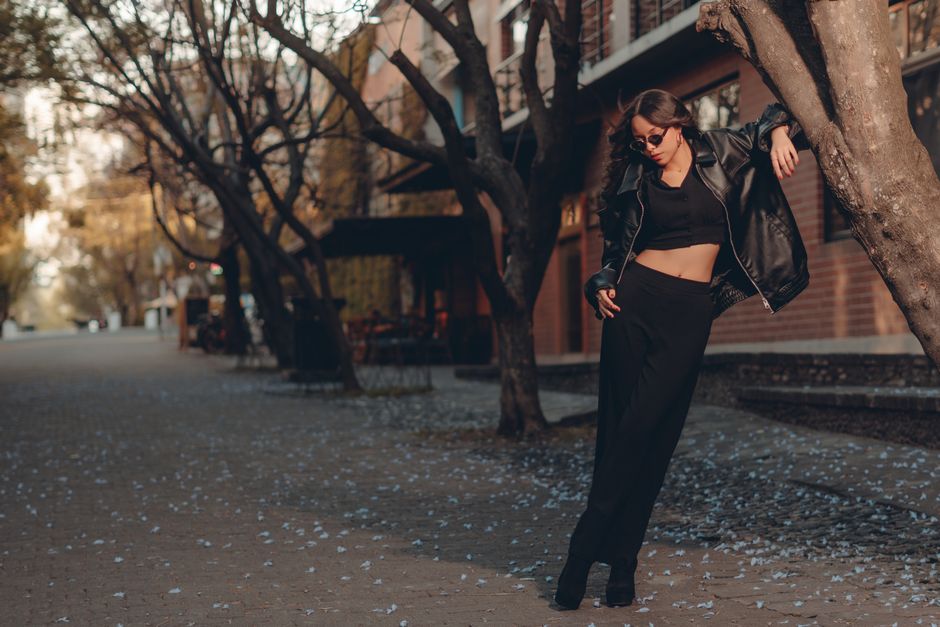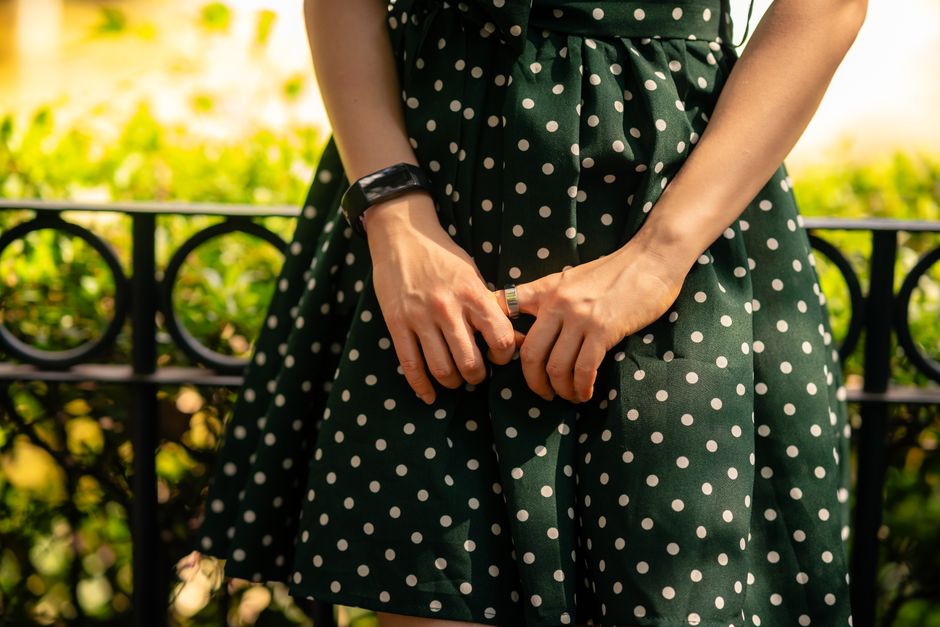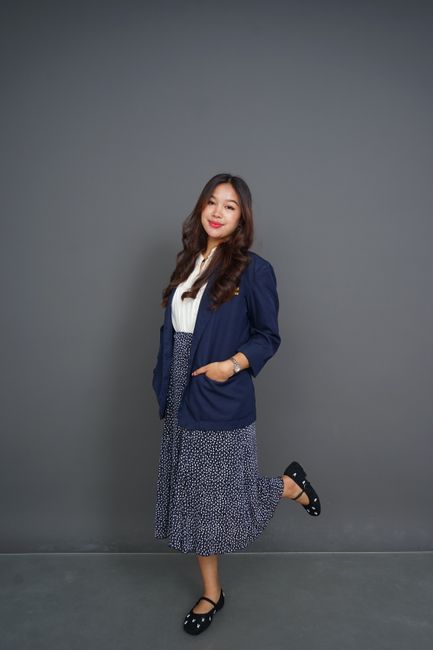
Business casual for women is the dress code between a formal suit and casual weekend wear: polished separates - tailored pants, knee-length or midi skirts, structured dresses, blazers or fine knits - combined with a blouse, fine knit or collared shirt, and finished with loafers, ballet flats, low block heels or clean leather sneakers. If jeans are allowed at your office, they read business casual only in a dark wash, plain hem and no distressing. Anything you could wear to the beach, the gym or a nightclub is out.
Key Takeaways
- Business casual means polished separates, not a matched suit and not weekend clothes: tailored trousers or chinos, a midi skirt or a structured dress, plus a blouse, fine knit or collared shirt.
- The three hardest-working pieces in a business casual wardrobe are dark straight-leg trousers, a neutral blazer that actually fits your shoulders, and a white or striped button-down shirt.
- Jeans are conditionally acceptable at many US offices: dark indigo wash, no distressing, no cargo pockets, paired with a blazer or refined knit and closed-toe shoes.
- Shoes set the formality level more than clothes do: leather loafers and ballet flats anchor the smart end, clean minimal sneakers the relaxed end, and anything with a night-out finish (stiletto platforms, glitter, athletic runners) breaks the code.
- Fit and fabric decide whether an outfit reads polished or sloppy: structured woven fabrics, medium-weight knits and crease-resistant trousers photograph and wear better at work than clingy, wrinkled or very thin fabrics.
Short Answer: What Does Business Casual Mean for Women?
Business casual for women is an office dress code that replaces the matched suit with polished separates. In practice, that means one tailored bottom (straight or wide-leg trousers, chinos, a midi or knee-length skirt, or dark unwashed jeans where allowed), one refined top (a blouse, a collared shirt, a fine merino or cotton knit, or a tucked tee under a blazer), and shoes that lean dressy-casual: loafers, ballet flats, low block heels, ankle boots or clean leather sneakers.
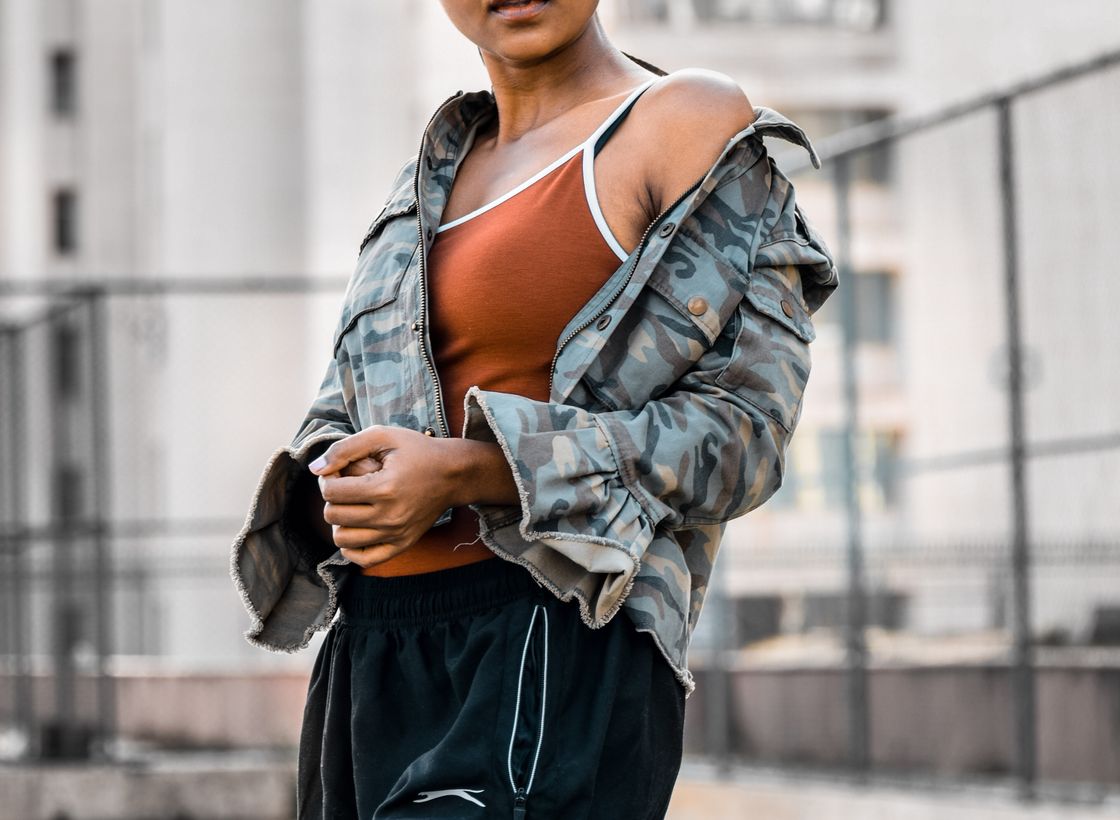
The easiest way to remember the boundaries is a two-question test. First: could you wear it to a backyard barbecue or the gym? It is too casual. Second: would you wear it to a formal interview or a wedding? It is too formal. Everything between those poles - structured, neat, comfortable but deliberate - is business casual.
The dress code also scales with context. Creative and tech offices commonly accept dark jeans and minimal sneakers; law, finance and client-facing roles sit closer to "business formal minus the matching suit," with a blazer expected. When in doubt at a new job, dress one notch above the observed norm for the first two weeks, then calibrate.
Main Factors to Consider
Your Office's Actual Baseline
"Business casual" is defined locally. Before buying anything, spend one week noticing what the most respected women at your level and one level up actually wear. The written policy rarely matches the real dress code. In most US offices the real range runs from dark jeans plus knit on the relaxed end to blazer-plus-trousers on the formal end.
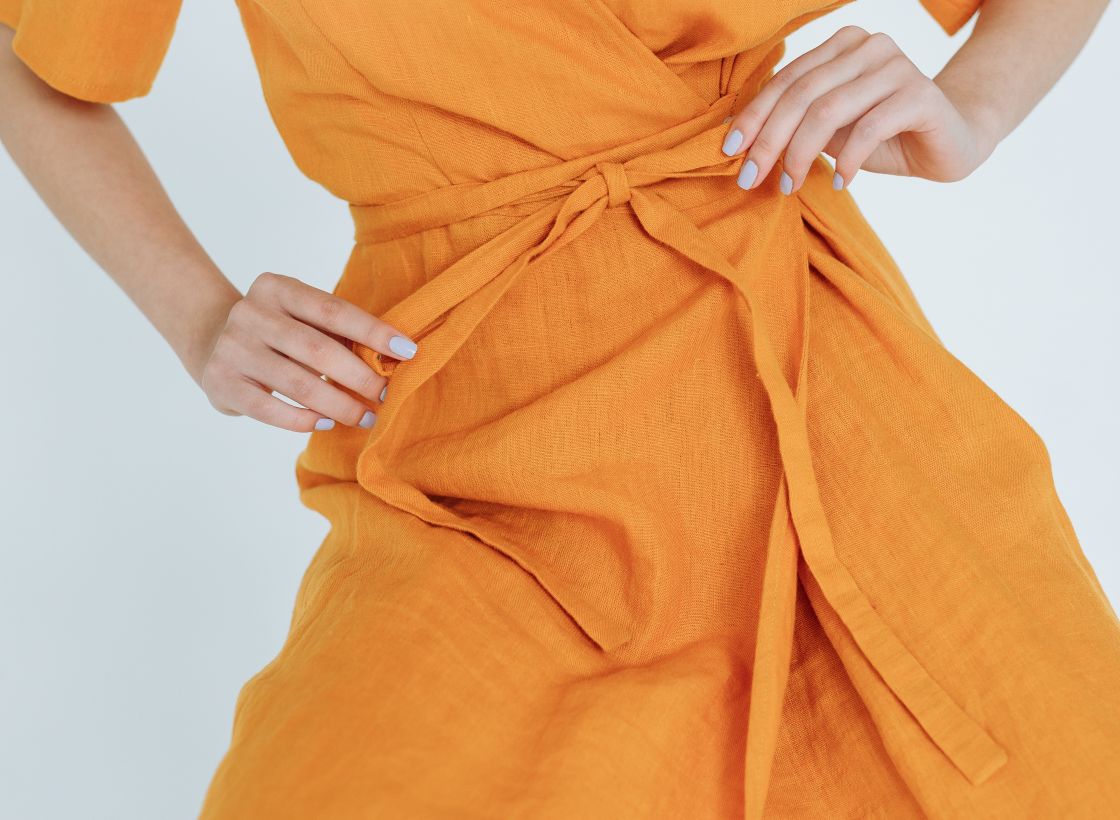
Industry and Client Contact
Client-facing days raise the bar: add a blazer, choose closed-toe shoes and skip jeans entirely. Internal days at a creative or tech company allow more room: a polished sneaker, a fine knit and well-cut trousers still read professional. The clothes should never be the most memorable thing about you in a meeting.
Climate and Season
Summer business casual is the hardest version: linen-blend trousers, polished sleeveless shells under blazers, loafers without socks. Winter adds sweater dressing - but keep knits medium-weight and structured rather than oversized slouch. This site's guide to <a href="/article/what-to-wear-to-work-hot-weather">work outfits for hot-weather offices</a> covers the warm end of the year in detail.
Budget Allocation
Spend first on the two items coworkers see every day and that carry the whole outfit: tailored trousers in a neutral color and a blazer with a proper shoulder fit. Rotate inexpensive blouses and tees underneath. A capsule formula works well here - the <a href="/article/capsule-wardrobe-30-pieces-guide">30-piece capsule wardrobe guide</a> includes a workwear block built exactly this way.
Styling Recommendations: The Core Formulas
These five formulas cover the overwhelming majority of business casual situations. Each one is deliberately simple - the polish comes from fit, fabric and shoe choice, not from complication.
Formula 1: Dark Trousers + White Button-Down + Loafers
The most reliable business casual outfit that exists. Straight-leg or wide-leg trousers in black, navy, grey or chocolate, a crisp white or striped button-down (tucked or half-tucked), and leather loafers. Add a thin belt and a small metal watch. This works in every industry from law to tech.
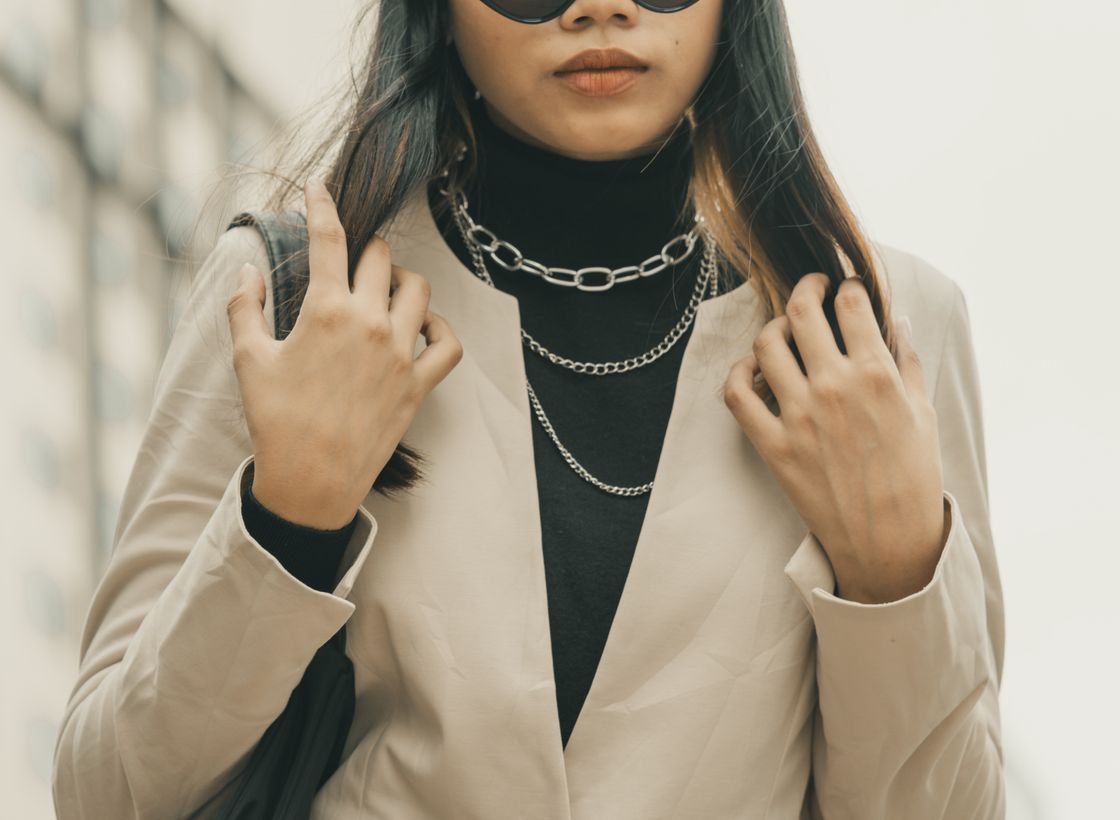
Formula 2: Blazer + Fine Knit + Tailored Pants
A fitted or gently relaxed blazer over a merino or fine cotton knit, with matching-effect trousers. This is the formula to reach for on client days and presentation days. The blazer's shoulder seam should sit exactly at your shoulder - if you can only afford one tailored piece, make it this. The <a href="/article/best-blazer-women-work-2026">work blazer comparison</a> breaks down current options by fit and budget.
Formula 3: Midi Skirt + Sweater + Ankle Boots
A midi skirt in a stable fabric - ponte, denim-free twill, wool blend - with a medium-weight sweater tucked or French-tucked, finished with sleek ankle boots or tall boots in cold months. Keep the sweater slim through the body so the silhouette stays deliberate. For hosiery rules and pairings, see <a href="/article/how-to-wear-tights-with-dresses-skirts">how to wear tights with dresses and skirts</a>.
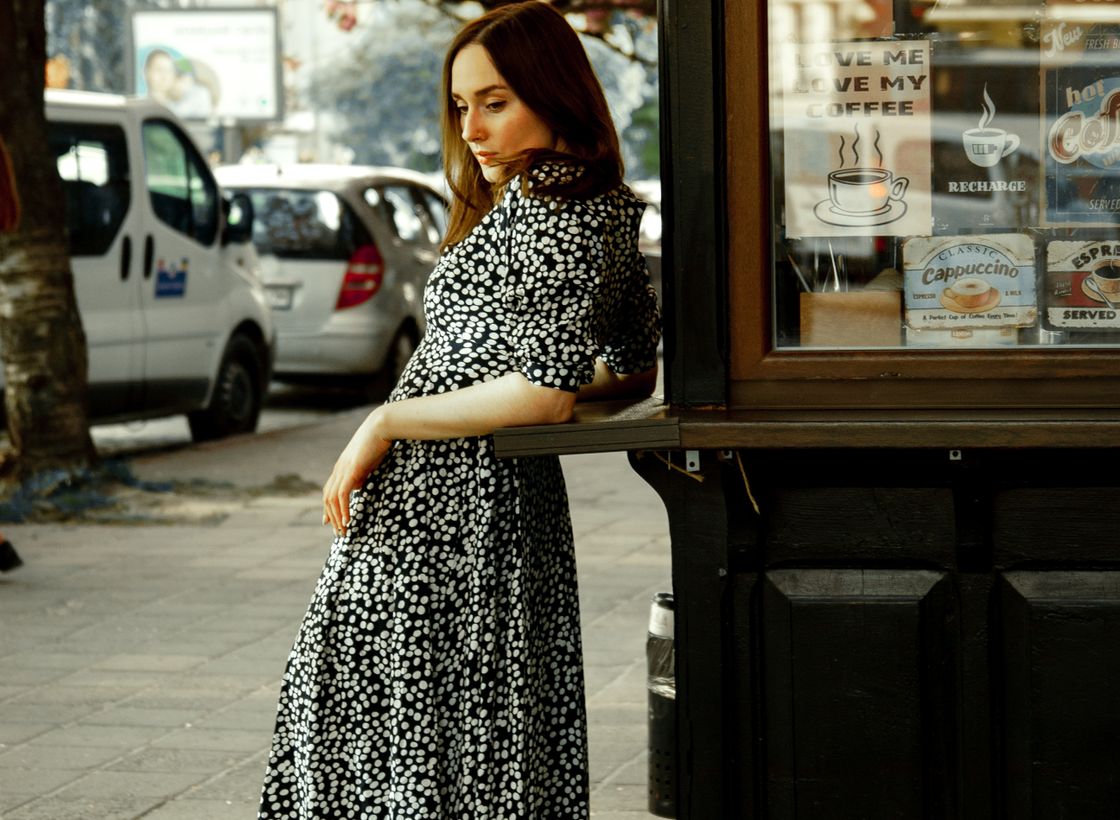
Formula 4: Structured Dress + Flats or Low Heels
A sheath, shirt dress or A-line dress in a woven fabric does the work of a full outfit in one piece. Add ballet flats or a low block heel and a belt if the dress allows. If your office skews formal, add a blazer and the same dress covers client meetings. The <a href="/article/best-work-dresses-look-expensive-2026">work dresses that look expensive</a> guide lists current styles by fabric and price.
Formula 5: Dark Jeans (Where Allowed) + Blazer + Polished Shoes
Where jeans are accepted, the formula is strict: dark indigo wash, no distressing, plain hem, straight or wide leg. Pair with a blazer and refined top, and finish with loafers, ankle boots or clean leather sneakers - never athletic runners. The <a href="/article/best-brown-jeans-women">brown jeans guide</a> shows how to style non-indigo dark denim the same way.
Are Jeans Business Casual? The Honest Rules
Jeans are the single most disputed business casual item. The practical answer:
- Usually acceptable: dark or mid-indigo wash, no fading patterns, no rips, straight or wide leg, full-length hem, worn with a blazer or fine knit and dressy-casual shoes.
- Rarely acceptable: light wash, heavy distressing, cargo or utility details, capri or cropped-party lengths, anything worn with a slogan tee.
- Context rule: finance, law and client meetings - no. Creative, tech and internal days at jeans-friendly companies - yes, using the strict formula above.
The same logic applies to sneakers: one clean, minimal, leather or leather-look pair in a neutral color reads polished; running shoes with visible technology and mesh uppers read gym.
Fit and Proportion
Fit is what separates "dressed up" from "well dressed" in a business casual outfit. Four checks catch most problems:
- Shoulder seam: on blazers, the seam should end at your shoulder bone. A seam hanging below it makes the whole outfit look borrowed regardless of price.
- Trouser break: hems should kiss the shoe or stop just above it. Pooling fabric at the ankle drops the formality of everything above it.
- Skirt length and shape: midi and knee-length skirts are the business casual sweet spot. A skirt that rides up when seated is both uncomfortable and too tight to read professional.
- Knit weight: oversized, slouchy knits belong to weekend wear. Medium-weight, structured knits hold a line under a blazer.
Petite and tall adjustments matter most on trousers and blazer sleeves: petites should look for ankle-length or "short" cuts rather than hemming wide legs at home, and tall women should check sleeve and torso lengths before buying rather than after. If you are building proportions from scratch, the <a href="/article/best-jeans-petite">petite jeans guide</a> walks through rise and inseam math that transfers directly to work trousers.
Fabric and Color
Fabric Priorities
Structured woven fabrics make separates look intentional: ponte, twill, gabardine, wool blends and cotton shirting. Crease resistance matters more than novelty - trousers that wrinkle through the seat by 10 a.m. read undone by afternoon. Medium-gauge merino and cotton knits layer flat under blazers; chunky cable knits do not.
Color Strategy
Build the work wardrobe on neutrals first: black, navy, grey, ivory, camel and chocolate. They recouple endlessly and photograph as deliberate. Add one or two repeating accent colors per season - for fall, burgundy works hard against navy and camel; the <a href="/article/how-to-wear-burgundy-fall-2026">burgundy styling guide</a> shows the pairings. Keep bright fashion colors to one item per outfit.
The Items That Quietly Break the Code
- Very thin, clingy fabrics that need a camisole to behave
- Loud logos and slogan graphics
- Visible lingerie lines or straps
- Flip-flops, slides and backless mules in formal settings
- Sequins, glitter and night-out finishes before 6 p.m.
Common Business Casual Mistakes
Mistake 1: Dressing to the policy instead of the room. The written dress code is a floor, not a target. Match the most polished person at your target level, not the most casual person at your current one.
Mistake 2: Confusing "comfortable" with "loose." Comfort at work comes from fabric and cut, not from wearing weekend clothes. A well-cut ponte trouser is as comfortable as leggings but reads ten steps more professional.
Mistake 3: Ignoring shoe formality. Shoes are the first thing that dates or downgrades an outfit. Worn-out flats or gym sneakers undermine an otherwise polished look; a good pair of loafers upgrades even simple trousers and a knit. The <a href="/article/best-ballet-flats-women">ballet flats guide</a> and <a href="/article/best-ankle-boots-women-2026">ankle boots comparison</a> cover the two most versatile work categories.
Mistake 4: Over-accessorizing. One watch, one pair of earrings, one bag. A work bag that fits a laptop rounds out the look and is worth choosing deliberately - see the <a href="/article/best-work-totes-15-inch-laptops">laptop work tote comparison</a>.
Mistake 5: Treating business casual as a costume. If an outfit requires constant adjusting - pulling down hems, re-tucking, swapping cardigans on and off - it is not working. The best business casual outfits are the ones you stop thinking about by 9:15.
Outfit Examples: One Week, Monday to Friday
- Monday (client meeting): Navy straight trousers, white button-down, camel blazer, black leather loafers, thin belt.
- Tuesday (internal days): Grey wide-leg trousers, black fine merino knit, black loafers, small gold earrings.
- Wednesday (dress day): Ivory shirt dress, brown leather belt, tan ballet flats, cropped cardigan for air conditioning.
- Thursday (jeans day): Dark indigo straight jeans, cream fine knit, black blazer, ankle boots.
- Friday (creative office): Chocolate wide trousers, striped boat-neck top, white minimal leather sneakers, canvas tote upgraded with a leather work bag on meeting days.
Notice the pattern: bottoms and shoes rotate, but every outfit keeps one structured piece and one refined top. That is the entire formula.
How to Build a Business Casual Wardrobe Without Overspending
Start with the three-piece core: dark tailored trousers, a shoulder-fitting blazer in a neutral, and a white or striped button-down. These three items create the spine of every formula above. Add a fourth piece per month - a midi skirt, a structured dress, fine knits in two weights, a second trouser color - and within a season the wardrobe self-assembles.
Where to spend: tailoring and shoes. A $40 trouser hemmed correctly beats a $200 trouser pooling at the ankle. Where to save: under-layers, basic tees and tanks that nobody sees alone, and trend colors.
Frequently Asked Questions
Are jeans business casual?
At many US offices, yes - under strict conditions: a dark or mid-indigo wash, no distressing, no cargo pockets, a straight or wide leg, and an outfit built around them with a blazer or fine knit and dressy-casual shoes. In finance, law and client-facing settings, default to no.
Are leggings business casual?
No. Leggings read as athletic or lounge wear in an office context, even under long tops. Ponte or tailored jogger-style trousers in a structured fabric deliver the same comfort while reading professional. (For context on the boundary, the OutfitNotes <a href="/article/lululemon-align-pant-review-20260606">Lululemon Align pant review</a> is candid about why it is a great piece that still is not office wear.)
Are sneakers business casual?
One pair can be: clean, minimal, low-profile leather or leather-look sneakers in white, black or navy. Mesh running shoes, trail shoes and any shoe that looks like gym equipment are not business casual in any office.
Are dresses business casual?
Yes, when the dress is a structured style in a woven fabric - sheath, shirt dress, wrap or A-line - at knee or midi length, with sleeves or layered under a blazer. Jersey party dresses, bodycon styles and anything with night-out detailing are not.
What is the difference between business casual and smart casual?
Smart casual is the broader, more modern category: polished personal style with room for fashion pieces, dark jeans and statement items. Business casual is its more conservative office subset: structured separates, fewer statement pieces, and a formality floor that smart casual does not have. Smart casual covers dinners and creative offices; business casual covers the workplace.
Related OutfitNotes Guides
- <a href="/article/best-blazer-women-work-2026">Work Blazers for Women</a>
- <a href="/article/best-work-dresses-look-expensive-2026">Work Dresses That Look Expensive</a>
- <a href="/article/capsule-wardrobe-30-pieces-guide">The 30-Piece Capsule Wardrobe Guide</a>
- <a href="/article/what-to-wear-to-work-hot-weather">What to Wear to Work in Hot Weather</a>
Sources and Research Notes
This guide is an editorial synthesis of widely repeated guidance on US workplace dress codes rather than a review of any specific product. Sources informing the definitions and boundaries above include university career-services dress code guides (including the University of Arizona Career Readiness dress code dictionary and the Isenberg School of Management dressing-for-success guide), published brand and retailer styling guidance on business casual and smart casual categories, and general US workplace norms across finance, law, tech and creative industries.
Notes on scope: no product prices or specific SKUs are cited because no commercial products are recommended in this article; styling formulas reflect widely accepted fit and proportion principles rather than individual testing. Price-range and item-specific recommendations live in the linked buying guides, each of which carries its own price-check dates.