# How to Build a Fall Transition Wardrobe: 12 Pieces That Work From 60 to 75 Degrees
Content type: Editorially Researched
The hardest part of dressing for fall is not the cold. It is the swing. A Tuesday in early October can start at 58 degrees, hit 76 by lunch, and drop back to 62 before you leave the office. Most closets are built for one mode or the other — summer or winter — so the in-between weeks become a daily scramble of cardigans thrown over tank tops and jackets that are too heavy by 2 p.m.
This guide breaks down a compact, editorially researched fall transition wardrobe: twelve pieces, organized into four layers, that cover roughly 60 to 75 degrees without requiring you to buy an entirely new closet. Every recommendation is based on fabric performance, fit, and how the pieces combine into repeatable outfit formulas — not on trend cycles.
Key Takeaways
- A fall transition wardrobe runs on four layers: a lightweight base, a removable mid-layer, a single outerwear piece, and closed-toe footwear. Twelve well-chosen pieces cover this.
- The 60-to-75-degree range rewards natural fibers — cotton, merino wool, fine-gauge knit, lightweight wool — because they breathe during the warm middle of the day and insulate during the cool edges.
- Fit matters more than quantity. Slightly relaxed mid-layers layer cleanly over base layers without bunching; structured outerwear should close easily over both.
- Neutral color anchors (camel, navy, olive, grey, ivory) keep a small wardrobe remixable. One or two accent pieces add personality without breaking the system.
- If you already own a good capsule wardrobe, you likely have half these pieces. This guide is about tightening the gaps, not starting over.
The Short Answer: What to Wear Between 60 and 75 Degrees
Between 60 and 75 degrees, dress in two-and-a-half layers: a breathable base, a light mid-layer you can remove, and an outerwear piece you carry rather than wear for most of the day. The formula is simple — base layer plus mid-layer plus packable outerwear, with closed-toe footwear. At 70 degrees and above, most people are comfortable in a short-sleeve or lightweight long-sleeve base alone with trousers or jeans. Below 65 degrees, add a fine-gauge knit or button-down as the mid-layer and a trench, lightweight wool coat, or unlined blazer on top.
The twelve pieces that cover this range are: (1) a cotton or cotton-blend tee, (2) a lightweight long-sleeve button-down, (3) a fine-gauge merino or cashmere-blend sweater, (4) a second sweater in a different weight or color, (5) straight-leg jeans in a mid-to-heavy weight, (6) tailored trousers in a seasonless fabric like crepe or gabardine, (7) a midi skirt in a fluid drape, (8) an unlined blazer, (9) a trench coat or lightweight wool coat, (10) closed-toe ankle boots, (11) white leather sneakers, and (12) a lightweight scarf. These pieces layer into at least two weeks of distinct outfits without repetition.
Main Factors to Consider
Your local temperature range, not the calendar
Fall does not arrive on the same date everywhere. In the Northeast and Midwest, the 60-to-75-degree window may last from early September through late October. In the South and on the West Coast, it can stretch into November or skip certain weeks entirely. Build the wardrobe around your actual daily highs and lows, not around a generic "fall" label. If your afternoons still regularly hit 80, you need fewer mid-layers and more breathable bases. If your mornings dip into the 40s, add a warmer coat earlier in the rotation.
Indoor versus outdoor spread
Offices, restaurants, and stores often run 10 to 15 degrees cooler than the outside air during fall transition weeks. The mid-layer exists primarily for this gap. A fine-gauge sweater worn over a tee handles a 68-degree office just as well as a 62-degree commute. Pieces that are easy to remove and carry — not bulky coat-weight items — are what make the system work across a full day.
How much you walk and commute
If you walk or take transit, prioritize footwear comfort and fabrics that resist wrinkling from movement. Crepe trousers, well-fitted jeans, and merino knitwear perform better here than linen (which wrinkles) or fine silk (which creases and shows perspiration). If you drive, you have more leeway with delicate fabrics and heavier outerwear.
Your existing wardrobe
Before buying anything, lay out what you already own in each of the four layers. Most people are short on mid-layers and packable outerwear, and overstocked on base layers. If your summer work wardrobe already includes good tees, a lightweight button-down, and white sneakers, those carry directly into fall transition.
Styling Recommendations: The Four-Layer System
Layer 1 — Base layer (3 pieces)
The base layer sits against your skin and handles the warmest part of the day on its own.
- A cotton or cotton-blend crew-neck tee. Choose a mid-weight fabric (around 180–200 gsm) in white, ivory, or grey. Too thin and it looks like an undershirt; too heavy and it loses versatility. A slightly relaxed fit layers better under knits and blazers without bunching at the seams.
- A lightweight long-sleeve button-down. Oxford cloth, cotton-poplin, or a cotton-Tencel blend all work. This piece covers the 68–74-degree range on its own and functions as a mid-layer over the tee when it cools down. Look for one that skims the body without pulling at the chest.
- A seasonless dress or midi skirt. A fluid midi skirt in crepe or a heavy Tencel handles warm afternoons and pairs with every mid-layer and outerwear piece in this wardrobe. A simple slip-style or A-line cut in navy, black, or olive gives the most remix value.
Layer 2 — Mid-layer (3 pieces)
The mid-layer is the piece you put on and take off throughout the day.
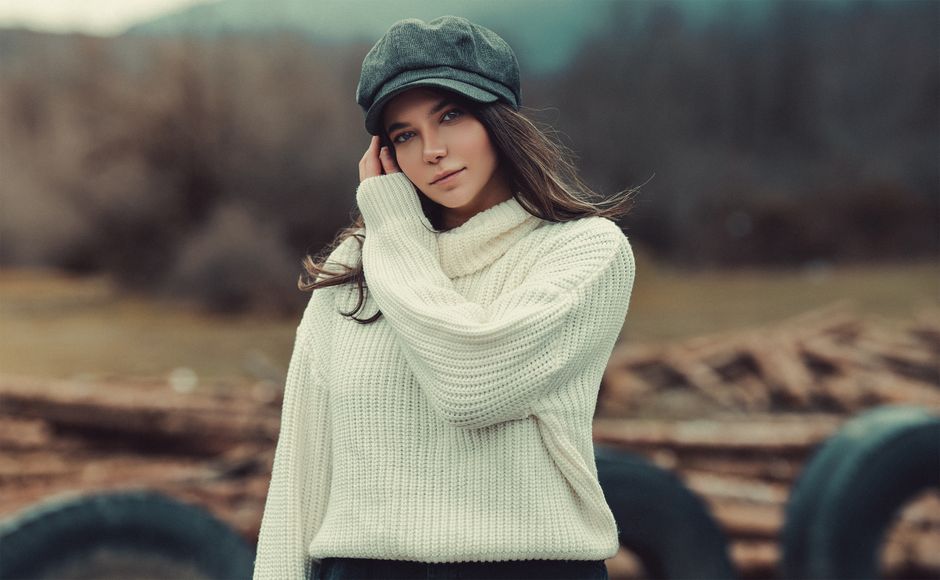
- A fine-gauge merino or cashmere-blend sweater. Fine-gauge knit (not chunky) is the single most useful mid-layer in a fall transition wardrobe because it insulates without bulk and layers under a blazer without restricting the arms. Crew neck or slight V, in camel, oatmeal, navy, or burgundy. If you are building or refreshing a knit collection, the best cashmere sweaters guide breaks down fit, fabric grade, and value across brands.
- A second sweater in a different weight or stitch. A ribbed knit, a lightweight grandpa-cardigan, or a fine cable knit gives you a second texture for outfit variety. Two sweaters that look similar do less work than two that read differently.
- A knit or tailored vest. Optional but high-leverage: a vest layers over the tee or button-down without adding sleeve bulk, which makes it one of the easiest pieces to keep on indoors.
Layer 3 — Outerwear (2 pieces)
- An unlined blazer. A structured, unlined blazer in wool, wool-blend, or heavy cotton twill works from 60 to 72 degrees and pairs with jeans, trousers, and skirts. It is the single hardest-working outerwear piece in the wardrobe. The best blazers for work guide covers fit, fabric, and cut in more detail. For a casual remix, the one blazer, five outfits formula shows how far one good blazer goes.
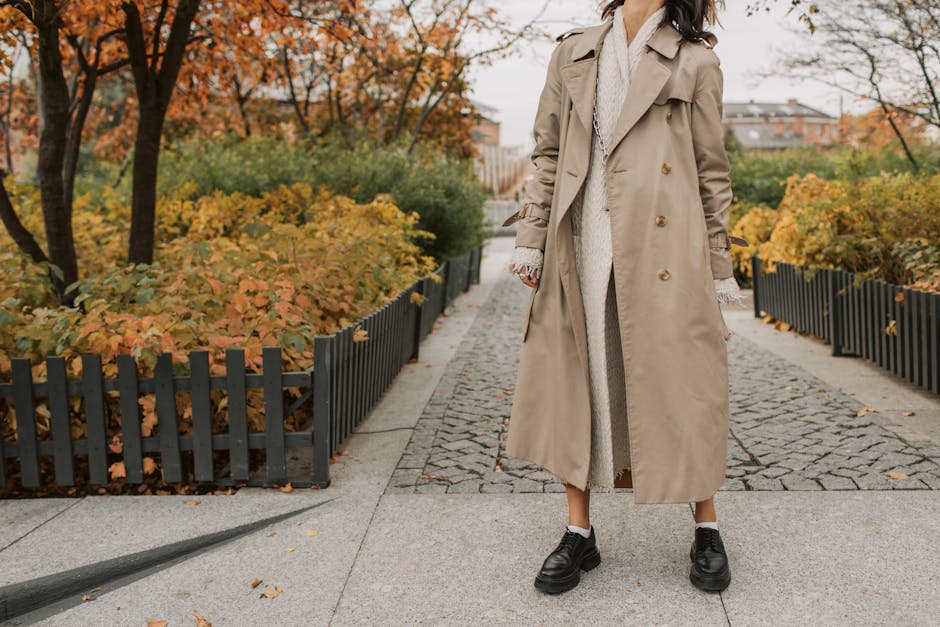
- A trench coat or lightweight wool coat. A classic trench in cotton gabardine handles wind, light rain, and the 55–65-degree range that a blazer alone cannot. If you prefer wool, look for an unlined or half-lined coat in a mid-weight (around 300–400 gsm) so it layers without overheating. Avoid heavy parkas this early — they trap heat above 65 degrees and make the mid-layer system redundant.
Layer 4 — Footwear and accessories (4 pieces)
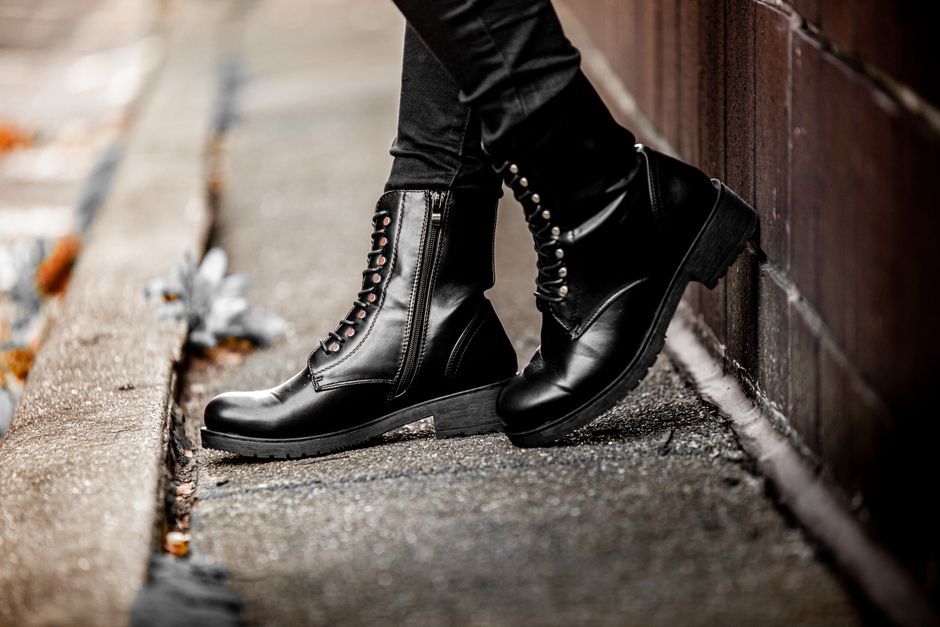
- Closed-toe ankle boots. A low-heeled or flat ankle boot in leather or suede reads instantly as fall and works with jeans, trousers, and midi skirts. A 1.5-to-2-inch block heel or a flat sole gives the most day-to-day range. Black and taupe are the most versatile colors.
- White leather sneakers. Still useful well into October, especially on weekends and for walking-heavy days. Choose leather over canvas for a cleaner look with tailored pieces.
- Loafers or a low pump (optional third shoe). For office environments, a leather loafer covers the gap between sneakers and boots and reads as polished with trousers and skirts.
- A lightweight scarf. A fine wool, cashmere-blend, or silk-blend scarf adds warmth at the neck — where most people feel the cold first — without committing to a full coat upgrade. It also doubles as a color accent over a neutral base.
Fit and Proportion
The biggest styling error in fall transition dressing is fit conflict between layers. A tight base layer, a snug mid-layer, and a trim blazer stacked together restrict movement and look bulky even when each piece looks fine alone. The rule of thumb:
- Base layers: close to the body but not compressive. You should be able to pinch half an inch of fabric at the side seam.
- Mid-layers: slightly relaxed through the body and sleeves, so they sit cleanly over the base without pulling at the shoulders. A sweater that fits snugly on its own will feel restrictive under a blazer.
- Outerwear: roomy enough to close over both layers without strain at the button or zipper. If the blazer pulls across the chest when buttoned over a sweater, size up or choose a more relaxed cut.
Hem proportions matter too. A cropped sweater pairs best with higher-rise trousers or a midi skirt; a longer, tunic-length sweater needs a slimmer bottom (legging-cut pants or slim jeans) to avoid shortening the leg line. The fall 2026 jeans trends guide covers which denim cuts pair most cleanly with layering pieces this season.
Fabric and Color
Fabrics that perform in the 60-to-75-degree window
| Fabric | Why it works | Where to use it |
|---|---|---|
| Cotton poplin and oxford | Breathable, holds shape, resists wrinkling | Button-downs, lightweight shirts |
| Merino wool (fine-gauge) | Insulates without bulk, breathable, resists odor | Sweaters, base mid-layers |
| Cashmere and cashmere blends | Lightweight warmth, soft hand | Sweaters, scarves |
| Mid-weight wool gabardine | Holds shape, wind-resistant, drapes cleanly | Trench coats, trousers |
| Crepe and heavy Tencel | Fluid drape, resists wrinkling, seasonless | Trousers, midi skirts |
| Mid-to-heavy denim (10–13 oz) | Structures an outfit, layers under knits | Jeans |
Avoid pure linen (wrinkles and reads summer), fine silk (creases and shows perspiration), and heavy coat wool (overheats above 65 degrees) for this specific temperature range.
Color anchors
Build the wardrobe around two or three neutral anchors — camel, navy, olive, grey, ivory, or black — and add one or two accent colors. A small wardrobe with consistent color anchors produces more combinations than a larger wardrobe with conflicting palettes. Olive and burgundy are particularly useful in fall transition because they read as seasonal without requiring a full autumn palette overhaul.
Common Mistakes
- Reaching for a winter coat too early. A heavy wool or down coat above 65 degrees traps heat, defeats the mid-layer system, and leaves you carrying it by lunch. Stick with a trench or unlined blazer until daily highs drop below 60.
- Buying chunky knitwear for transition weeks. Chunky knits are for December. In the 60-to-75-degree window they are too warm indoors and too bulky under outerwear. Fine-gauge is the play.
- Stacking three heavy layers. If the base, mid, and outer layers are all substantial, the outfit looks bulky and feels rigid. Pair one heavier piece with two lighter ones — for example, a lightweight tee, a fine sweater, and a structured blazer.
- Ignoring footwear transitions. Canvas sneakers and flat sandals read summer; knee-high boots read winter. Ankle boots, white leather sneakers, and loafers cover the in-between.
- Overbuying instead of editing. A fall transition wardrobe is a tightening exercise, not a shopping list. Identify the gaps in your existing closet before adding pieces.
Outfit Examples
Here are seven repeatable formulas built from the twelve pieces above.
- Office, 65–72 degrees. Button-down, tailored trousers, unlined blazer, ankle boots. Remove the blazer if the office runs warm.
- Weekend, 70–75 degrees. Cotton tee, straight-leg jeans, white sneakers, lightweight scarf for the evening drop.
- Rainy commute, 58–64 degrees. Fine-gauge sweater, straight-leg jeans, trench coat, ankle boots.
- Warm afternoon, cool evening, 60–75 degrees. Midi skirt, cotton tee, button-down worn open as a mid-layer, ankle boots. Add the trench for the evening.
- Long workday with temperature swings. Base tee, knit vest mid-layer, unlined blazer, trousers, loafers. Each layer is removable independently.
- Casual Friday. Fine-gauge sweater, straight-leg jeans, white sneakers, lightweight scarf.
- Dinner or date night. Midi skirt, fine-gauge sweater, ankle boots, trench coat. Swap the trench for the blazer if the restaurant runs warm.
Frequently Asked Questions
What temperature range counts as fall transition weather?
Fall transition weather generally covers daily highs from about 60 to 75 degrees Fahrenheit (15 to 24 degrees Celsius), with cool mornings and evenings 10 to 15 degrees below the afternoon high. In most U.S. climates this window lasts from early September through late October, though it varies by region.
How many pieces do I actually need for a fall transition wardrobe?
A functional fall transition wardrobe can be built from about twelve pieces: three base layers, three mid-layers, two outerwear pieces, and four footwear or accessory items. These layer into roughly two weeks of distinct outfits. The number is flexible — the principle is four layers that combine cleanly, not a specific item count.
Can I wear summer pieces into fall transition?
Yes. Cotton tees, lightweight button-downs, midi skirts in fluid fabrics, and white leather sneakers carry directly from summer into fall transition. The shift is in what you add — fine-gauge knitwear, a blazer or trench, and closed-toe footwear — rather than what you remove. The how to build a summer work wardrobe guide covers which summer pieces have the longest season.
What is the single most useful piece to add first?
A fine-gauge merino or cashmere-blend sweater in a neutral color. It layers under a blazer without bulk, works on its own from 60 to 70 degrees, and bridges the gap between a summer wardrobe and full winter outerwear. If you only add one piece this season, make it this one.
Related OutfitNotes Guides
- How to Build a 30-Piece Capsule Wardrobe — the broader framework this transition wardrobe plugs into.
- Best Blazers for Women at Work — how to choose the unlined blazer that anchors this system.
- Best Cashmere Sweaters for Women — fit, fabric grade, and value across brands for the mid-layer.
- How to Build a Summer Work Wardrobe That Survives a Heat Wave — which summer pieces carry into fall transition.
- The 6 Jeans Trends Defining Fall 2026 — which denim cuts pair most cleanly with layered looks.
- One Blazer, Five Outfits — how far a single good blazer goes.
Sources and Research Notes
Temperature range and layering recommendations are based on standard fashion-editorial guidance for transitional dressing, publicly available fabric performance characteristics (breathability, drape, weight) for cotton poplin, merino wool, cashmere, wool gabardine, crepe, Tencel, and mid-weight denim, and general retail categorization of fall transition collections from mainstream American brands including Nordstrom, Everlane, Quince, Aritzia, and Madewell. Outfit formulas and color-anchor guidance are editorially synthesized for the OutfitNotes reader (U.S. women aged 25 to 45 building wearable, polished wardrobes). Product suggestions are described by category rather than by specific SKU; for product-specific fit, fabric, and value comparisons, see the related guides linked above.