Tights are the fastest way to carry dresses and skirts into cold weather — and the easiest way to make a good outfit look off. The line between the two usually comes down to three decisions: the opacity of the tight, the weight of the fabric above it, and the color of the shoe at the end of the leg. Get those right and almost any dress or skirt in your closet works into November and beyond. Get them wrong and even expensive pieces start to read costume-y or dated.
This guide covers how to wear tights with dresses and skirts for fall 2026 — which opacity to pick for which hemline, how to match shoe color so the leg line stays long, what the runways and street-style coverage say about where hosiery is heading this season, and the proportion rules that keep the whole look polished rather than literal.
Key Takeaways
- Match shoe color to tight color. Black tights with black or very dark shoes create one unbroken leg line; pairing black tights with light nude shoes cuts the leg off at the ankle and shortens the silhouette.
- Let fabric weight guide opacity. Heavy fabrics (wool, tweed, corduroy, chunky knit) call for opaque tights of 60 denier or more; lightweight silks, slips and fine knits read better with sheer 20–40 denier or textured hose.
- Brown is this season's alternative to black. Fall 2026 runway and street-style coverage — including The Row's widely covered winter tights styling — has pushed opaque brown and chocolate hosiery forward as the quieter, more expensive-looking option.
- Contrast denier, not just color. A mini skirt with heavy opaque tights and a slip dress with the same tights are completely different outfits; hem length and tight opacity need to move together.
- Matte beats shiny for day. High-sheen tights photograph bold and skew evening or editorial; matte finishes are what keep the look office- and daytime-appropriate.
The Short Answer: How to Wear Tights with Dresses and Skirts
Wear tights that match the weight of your garment and the color of your shoes: opaque black or brown tights (60–100 denier, matte) with black or dark brown knee-high boots, ankle boots or loafers under wool skirts, tweed and sweater dresses; sheer black or 20–40 denier hose with pointed-toe flats, pumps or slingbacks under slips, shirt dresses and fine-knit midis. Keep the tight and the shoe in the same color family so the eye travels from hem to floor without a break, and scale opacity to hemline — the shorter the hem, the more opaque the tight can be; the longer and fluid the dress, the sheerer the hosiery should stay.
For fall 2026 specifically, the polished combinations are: black opaque tights + black leather knee-high boots + plaid or tweed mini skirt + oversized knit; chocolate tights + brown suede boots + camel or ivory knit dress; and sheer black hose + ballet flats or slingbacks + midi slip or shirt dress. Each of those formulas keeps one color story running down the leg, which is the single rule that does most of the work.
Main Factors to Consider
Opacity (denier)
Denier is the thickness of the yarn — the higher the number, the more opaque the tight. Under 30 denier is sheer enough to read as a tinted leg; 40–59 is semi-opaque with visible skin tone; 60 and above is fully opaque and reads as a colored leg. The practical rule: heavy autumn fabrics need the structure of a full opaque, while delicate fabrics get overwhelmed by it. A chunky fisherman knit skirt with 30-denier hose looks unfinished; a bias silk slip with 100-denier opaques looks armored.
Shoe color
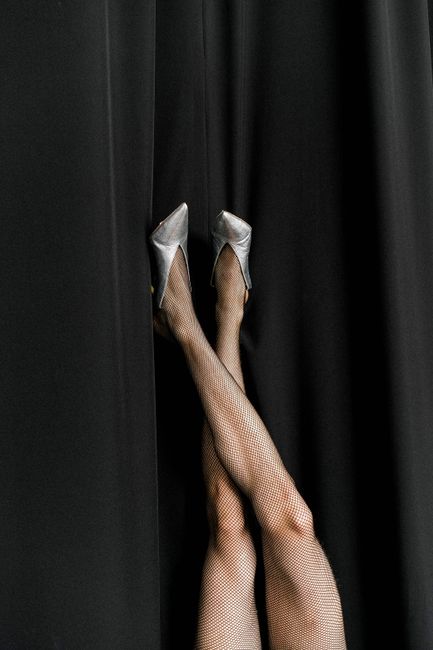
The tight-to-shoe transition is where most outfits fail. Dark tights with dark shoes extend the leg; dark tights with pale shoes stop it abruptly. If you want to wear a lighter shoe, switch to a nude-for-you or sheer tight that blends with your skin instead, so the shoe — not the hosiery — is the statement. Metallics are the exception: silver and gold shoes read as neutrals against black tights, which is why the combination keeps reappearing in evening and editorial styling.
Hem length
Shorter hems carry more opaque coverage confidently — a mini with thick tights and boots is a classic cold-weather proportion. As hems get longer, sheerer hosiery keeps the look from going heavy: a maxi skirt or dress usually needs no visible hosiery contrast at all, and a boot-hem-tight stack that is all one dark color works better than mixing tones mid-leg.
Where you are wearing it
Offices with traditional dress codes still read sheer, neutral hose as the safer choice under tailored dresses; creative and casual workplaces accept opaque color openly. Evening and events are where patterned, textured or high-shen tights earn their place — fishnets, seams and embellished hose photograph well but overwhelm a daytime work look.
Styling Recommendations
1. Opaque black tights + knee-high boots + plaid or tweed mini. The season's most useful formula. The boots and tights form one continuous dark column, so the patterned skirt becomes the single focal point. Add an oversized solid knit on top so the outfit stays relaxed rather than preppy-literal. See our guide to wearing knee-high boots for shaft-height and hem rules.
2. Chocolate or brown opaque tights + brown boots + camel or ivory knit dress. The fall 2026 update to the black column. Brown-on-tan keeps the same unbroken leg line but reads softer and more expensive-looking; it works especially well with suede footwear and a tonal coat. This echoes the coverage around The Row's winter tights styling, where opaque hose in deep neutrals replaced sheer black. Our chocolate brown styling guide covers the full palette.
3. Sheer black hose + slingbacks or pointed flats + midi shirt dress. For milder fall days and polished offices. The sheer tight adds just enough coverage and blur to make bare legs work under a button-through midi, and a low vamp shoe keeps the leg line open. This is the pairing fashion editors keep returning to for the "dressed up but not trying" register.
4. Textured or fishnet tights + ankle boots + denim or leather skirt. Texture is the season's quiet experiment — small-gauge fishnets and ribbed hose worn as a layer, not a costume. Keep everything else simple: solid skirt, flat or low heel, minimal jewelry. Our ankle boots pairing guide covers which boot shapes sit cleanly against skirt hems.
5. Colored tights + all-neutral outfit. Burgundy, forest and charcoal hose work when everything else in the outfit is quiet — camel, grey, cream, black. The colored tight becomes the outfit's single exclamation point. Two colors maximum: one on the legs, one restrained accessory echoing it, no more.
6. No-tights socks + boots alternative. On days that are cold but not tights-cold, ribbed or wool crew socks with ankle boots and a longer skirt or dress cover the same practical job with a different proportion. It is the most casual of these options and reads best with lug-sole or lace-up boots rather than sleek Chelsea shapes.
Fit and Proportion
- Size up on opaques if you are between sizes. Overstretched opaque tights sheer out at the knee and lose the matte finish that makes the look expensive; a slightly looser tight holds its color.
- Control top or plain top, decided by silhouette. A compression waistband smooths under body-con knits and fine dresses; under a flared or pleated skirt it is an unnecessary layer that can create a visible line at the waistband.
- Watch the knee and ankle pooling. Tights that bag at the knee or bunch at the ankle break the leg line exactly where you do not want it; pull them fully taut and smooth them before shoes go on.
- Balance volume above and below. A voluminous skirt or oversized knit needs the visual weight of boots and opaques underneath; a slim slip or fine knit dress can take a sheer tight and a finer shoe without toppling.
- Hem-to-boot shaft spacing. With knee-high boots, let the skirt hem hit anywhere from just above the boot shaft to mid-thigh; a hem that lands exactly at the shaft edge cuts the leg awkwardly. Our knee-high boots guide diagrams the spacing.
Fabric and Color
Garment fabrics that want opaque tights: wool flannel, tweed, corduroy, heavy ponte, chunky and textured knits, leather and suede skirts. These fabrics have visual weight and surface texture; a 60–100 denier matte tight matches that register.
Garment fabrics that want sheer tights: silk and satin, fine merino and cashmere knits, lightweight crepe, bias-cut slips and chiffon layers. Sheer or semi-opaque hose (10–40 denier) adds warmth without adding visual bulk that overwhelms these fabrics.
Color pairings that reliably work: black on black (the default), chocolate on camel and ivory (the 2026 favorite), charcoal on grey and taupe, burgundy on cream and camel, forest on brown and tan. Color pairings to treat carefully: black opaques against very pale pastels (the contrast can read stark in daylight), and navy tights against black shoes (the near-miss is more noticeable than a deliberate contrast).
Finishes: matte for day and office, subtle sheen or open texture for evening and events. High-shine finishes magnify every seam and line, which is why they stay in editorial territory.
Common Mistakes
- Black tights with light nude shoes. The abrupt tonal break shortens the leg and makes the shoes look like an afterthought. Either commit to the dark column or switch to sheer nude hose.
- Wrong denier for the garment. Sheer hose under a chunky knit skirt looks unfinished; 100-denier opaques crush a delicate slip. Match the tight's weight to the fabric above it.
- Sagging knees and ankles. Stretched-out tights pool at the joints and destroy the clean line the whole technique depends on. Replace tights as soon as the elastane gives out.
- Treating patterned tights as a neutral. Fishnets, seams and prints are already a statement — they need the quietest possible outfit around them, not additional pattern or embellishment.
- Visible white toe seams under open shoes. Reinforced toes show through slingbacks and pointed flats; opt for sandal-toe or sheer-toe construction when the shoe opening is low.
- Over-shiny daytime tights. High-luster finishes photograph as costume in office lighting and wash out skin tone; matte is the daytime default.
Outfit Examples
Office, traditional dress code: charcoal wool midi skirt + 40-denier sheer black tights + black pointed slingbacks + ivory fine-knit sweater + structured tote. The sheer tight keeps the look formal while adding just enough coverage for cold commutes.
Casual weekend: tweed mini skirt + 80-denier opaque black tights + black lace-up ankle boots + oversized cream sweatshirt or knit + crossbody bag. High contrast in volume, single dark column down the leg. If tweed reads too classic for you, our tweed styling guide covers modern ways to wear it.
Dinner or event: black slip midi + sheer black hose + metallic or black heeled sandals + cropped jacket. The sheer tight lets a summer-weight dress travel into fall without the heaviness of opaques.
Creative office: camel knit midi dress + chocolate opaque tights + brown suede knee-high boots + leather tote. The tonal brown column is the season's answer to all-black and photographs rich without a single statement piece.

Frequently Asked Questions
Should tights match your shoes or your dress?
Match your shoes, not your dress. Tights and shoes in the same color family create an unbroken line from hem to floor, which lengthens the leg and lets the dress or skirt stay the focus. Matching tights to a dress color instead works only when the shoes also pick up that same color — otherwise the leg gets cut at the ankle.
What denier tights are best for fall?
Most fall outfits land between 40 and 100 denier. Around 40–60 works for tailored dresses, shirt dresses and office looks where you still want some skin-tone depth; 60–100 opaque is the choice for wool skirts, tweed, corduroy and sweater dresses. Below 30 denier is really a mild-weather or evening option under slips and fine knits.
Can you wear black tights with brown boots?
You can, but it is the hardest version to get right — the near-miss between black and dark brown can look accidental. The stronger play in fall 2026 is brown opaque tights with brown boots, which keeps the continuous leg line and suits the season's camel, ivory and chocolate palette. If you do mix, keep the boot a mid-to-dark brown and the rest of the outfit tonal.
Are tights still in style for 2026?
Yes — hosiery has been one of the more visible accessories in fall 2026 coverage. Fashion media including Who What Wear and Elle have tracked everything from sheer hose with flats to opaque and colored tights on runways and street style, and The Row's opaque winter tights styling drew wide attention earlier this year. The shift is toward opaque neutrals and quiet texture rather than novelty prints.
Sources and Research Notes
This guide was assembled from public fall 2026 trend coverage and standard hosiery construction references. Sources consulted: Who What Wear's autumn/winter tights trend coverage; Elle's reporting on the colored tights trend; Vogue Arabia's seasonal hosiery styling feature; Rue Sophie's black-versus-nude tights style guide; and public product specifications for denier ranges from major hosiery brands. Product-level claims (denier ranges, sandal-toe construction) reflect standard manufacturer specifications rather than hands-on testing.