Content type: Editorially Researched | Author: OutfitNotes Editorial Team
A winter invitation changes the wedding-guest math. The dress code still comes first, but fabric weight, tights, shoes that survive ice, and a coat that will not ruin the photos all become part of the outfit rather than an afterthought. This guide breaks down nine winter wedding guest outfit formulas across five dress codes, then covers the fabrics that actually hold up in a cold room, the outerwear that photographs well, and the mistakes that show up in every group picture.
Key Takeaways
- Dress code first, weather second: a floor-length gown still wins black tie in January; solve the cold with layers, not with a casual coat over a formal dress.
- Weight is the winter fabric filter: velvet, duchess satin, heavy crepe, mikado, wool crepe and tweed read seasonally appropriate; chiffon, linen and lightweight cotton do not.
- Tights are not optional at most cold-weather weddings: opaque black or navy for semi-formal and below, sheer 20-denier when the dress is formal, fleece-lined for outdoor ceremonies.
- Closed-toe shoes are the safe call: pumps or dressy booties for cocktail, a slim knee-high boot in suede or leather for rustic and semi-formal venues, block heels on gravel or frozen grass.
- Leave white, ivory and cream to the bride; skip novelty holiday looks; deep jewel tones, black and navy photograph best in low winter light.
Short Answer
For a winter wedding, start with the stated dress code and pick a heavier fabric than you would in summer: a floor-length gown in velvet, duchess satin or heavy crepe for black tie; a velvet or satin midi for cocktail; a wool crepe or fine-knit dress with knee-high boots for a casual rustic venue. Add opaque or fleece-lined tights, closed-toe shoes or block-heel boots, a thin merino base layer under sleeveless styles, and a long wool coat that covers the hem. Avoid anything white, ivory or cream, thin summer chiffon, bare legs with open-toe shoes at an outdoor ceremony, and puffer jackets or borrowed cardigans in photos.

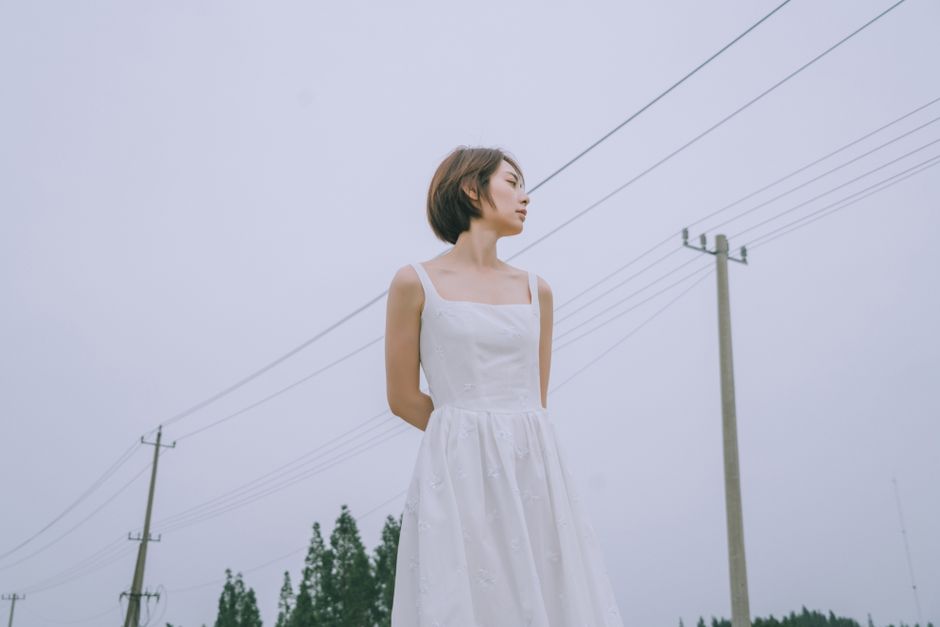
A floor-length navy gown with draped sleeves: the simplest black-tie answer for a winter ballroom. Editorial illustration via Pexels.
Main Factors to Consider
The invitation and the timeline. Etiquette sources such as the Emily Post Institute treat the invitation and ceremony time as the best guide to formality; a late-afternoon ceremony followed by an evening reception usually points to semi-formal or formal. Winter weddings tend to run dressier than summer ones, so when the code is ambiguous, go up a notch rather than down.
The venue and how much of the day is outside. A heated hotel ballroom, a drafty stone church, and a barn with gravel paths put completely different demands on shoes and layers. If any part of the ceremony or cocktail hour happens outdoors, plan for traction (block heels or boots), fleece-lined tights, and a wrap that stays with you, not a coat left at coat check.
The temperature swing. A cold church often leads to an overheated ballroom. The solution is removable warmth: a thin merino camisole or thermal slip under the dress rather than a thick sweater over it, plus a coat for the car park. Layers you can shed quietly beat one heavy layer that ends up in every photo.
Styling Recommendations: 9 Outfit Formulas by Dress Code
Black tie
1. Floor-length velvet gown in a jewel tone. Emerald, bordeaux or sapphire velvet absorbs light and looks richest by candlelight, and floor length keeps legs warm between the car and the ballroom. Pair with closed-toe pumps, a long coat that covers the hem, and leather gloves for the walk in.
2. Satin column dress with a faux-fur or wool capelet. A slim duchess-satin column in navy or black reflects light and holds its shape; a capelet covers bare shoulders during the ceremony without hiding the dress. Satin is cold on bare skin, so a thin sleeveless base layer underneath does quiet work.
Formal
3. Long-sleeve beaded or crepe gown. For candlelit formal weddings, long sleeves balance a high neckline or open back without needing an extra indoor layer. Heavy crepe drapes close to the body and travels without crushing, which matters for destination or back-to-back winter events.
4. Velvet wrap dress with a defined waist. A velvet wrap silhouette in a deep tone reads formal while fitting real bodies comfortably through a long dinner. Pointed-toe heels and a metallic clutch finish it.
Cocktail
5. Knee-to-midi satin or sequin dress with sheer tights. Cocktail is where sparkle belongs: a satin slip or sequin midi in black, deep green or bordeaux with 20-denier sheer tights and closed-toe pumps. The slight sheen of sheer tights reads as intentional styling rather than a bare-leg emergency fix.
6. Long-sleeve lace-overlay midi. Lace is a strong winter story, and a long-sleeve overlay in jacquard lace covers arms while staying dressy. Keep jewelry minimal when the fabric is already the statement.
Semi-formal
7. Tailored suit or tuxedo jumpsuit. A slim matching suit in black or a deep neutral, or a jumpsuit in crepe, reads modern and formal-adjacent at evening receptions and heated venues. A pointed-toe heel and minimal jewelry keep it occasion-appropriate rather than office-like.
Casual and rustic
8. Fine-knit or sweater dress with knee-high boots. For a barn or countryside ceremony, a mid-calf fine-knit dress in cream-free neutrals with tall suede boots handles drafts, gravel and dancing in one move. Opaque tights, a wrap, and a wool coat complete it.
9. Tweed or velvet separates with a merino roll neck. A tweed skirt suit or velvet blazer over a fine merino base reads polished without a dress at all, which matters on genuinely cold days with outdoor elements. This is also the formula that re-wears best across winter events.
Fit and Proportion
Midi and floor-length hems carry a winter wedding better than mini lengths; a very short hemline in January works against both warmth and proportion, and reads less occasion-appropriate in photos. If the dress has volume in the sleeves or skirt, keep the outerlayer slim so the two do not compete; a column or wrap dress can take a fuller coat, a full-skirted gown needs a long, straight one. When wearing tall boots under a midi, let a few inches of dress or a boot-shaft gap show so the leg line reads deliberate. Check the coat hem against the dress hem before the day: a coat two inches shorter than the gown is the detail that looks unfinished in arrival photos. For more depth on proportions under dresses and skirts, see the OutfitNotes guide to how to wear tights with dresses and skirts.

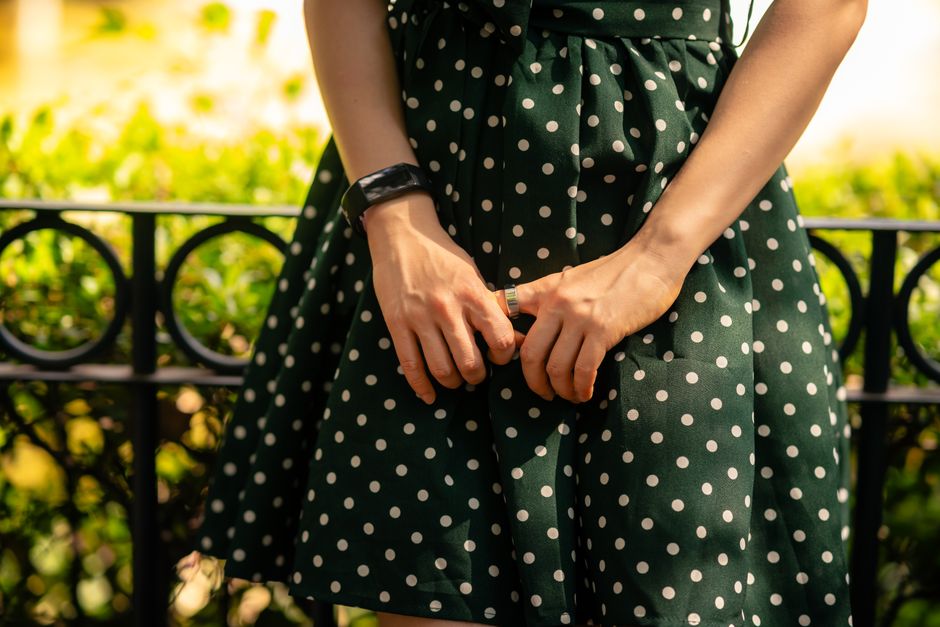
Structured separates and covered arms: two winter guest formulas that photograph well outdoors. Editorial illustration via Pexels.
Fabric and Color
Fabrics that work: velvet (crushed or plain, richest in low light), duchess satin (holds a full skirt), heavy crepe (drapes and travels), mikado and jacquard (structure), wool crepe and tweed (daytime and rustic), fine merino knits (casual codes). Thickness, lining and construction matter more than the fabric name alone; a formal finish does not automatically mean warmth.
Fabrics to skip: thin chiffon, lightweight cotton and anything linen; they let the cold straight through and read as the wrong season. Stretch velvet holds heat, so guests who run warm indoors may prefer crepe or satin.
Colors: bordeaux, deep emerald, navy, black, and dusty champagne-adjacent metallics photograph well in low winter light. Skip white, ivory and cream in any form, including pale satin that edges toward bridal shades; skip neon and summery prints. Black is fully acceptable and classic for winter weddings, in a dress, tailoring or a jumpsuit. Novelty holiday looks, costume-y Christmas sequin-and-antler combos and heavily themed party dressing blur the line between wedding guest and office party; sparkle is fine, a holiday costume is not. For a full decode of invitation wording, see the OutfitNotes wedding guest dress code guide and the wedding guest dress guide.
Common Mistakes
- A cardigan or borrowed suit jacket over a thin dress. The single most common cold-weather guest mistake, and it shows in every photo. Fix the warmth with fabric choice and a base layer, and carry a proper wrap or capelet.
- A puffer or technical parka over a gown. Utility outerwear undercuts a formal outfit entirely. A long wool coat, a cape-style coat or faux fur is the investment that saves the look.
- Sheer 15-denier tights and open-toe shoes at an outdoor ceremony. Nearly no insulation, and stilettos sink into frozen grass or gravel. Go opaque or fleece-lined, closed-toe, block heel where the ground is soft.
- Anything white, ivory or cream. Etiquette guidance counts cream as white; the bride's palette is off limits for guests.
- Ignoring the coat check plan. Arriving polished matters as much as the reception look; know where the coat goes so it does not end up draped over a chair all night.
Outfit Examples
City ballroom, black tie, Northeast December: emerald velvet floor-length gown, long black wool coat, leather gloves, closed-toe pumps, drop earrings. The coat covers the hem; the gloves and a wrap handle the curb-to-door gap.
Stone church plus heated reception, formal: navy heavy-crepe long-sleeve gown with a thin merino slip underneath, sheer tights, a wool capelet that stays on through the ceremony, and a clutch that fits the wrap when the ballroom warms up.
Cocktail-hour-heavy evening, cocktail: black sequin midi, 20-denier sheer tights, pointed-toe pumps, metallic clutch, statement earrings; a burgundy wool wrap coat for arrival.
Rustic barn, casual, Midwest January: fine-knit mid-calf dress in a warm neutral, fleece-lined tights, tall suede boots with a block heel, tweed or wool coat, wrap for the ceremony. For footwear depth, see how to wear knee-high boots; for knit-dress options, see the OutfitNotes edit of the best sweater dresses for women.
Modern venue, semi-formal: black crepe tuxedo jumpsuit, pointed-toe heels, minimal gold jewelry, long charcoal wool coat. The simplest formula to re-wear at winter parties afterward.

A structured wool coat draped rather than buttoned: the outerwear move that keeps a formal look intact. Editorial illustration via Pexels.
Frequently Asked Questions
Can you wear black to a winter wedding?
Yes. Black is a classic winter wedding guest color in a dress, tailoring or a jumpsuit. Avoid pairing it with anything neon or bridal-adjacent, and let fabric weight and finish carry the formality.
Can you wear boots to a winter wedding?
Dressy knee-high boots in suede or leather and heeled ankle boots work at casual, rustic and semi-formal winter weddings, especially outdoors. For black tie, choose a dress shoe or a slim, luxe boot; skip hiking, snow and slouchy casual boots at any code.
Should you wear tights with a winter wedding guest dress?
In most cases, yes. Opaque or fleece-lined tights in black, navy or a jewel tone match the dress and add real warmth; sheer 20-denier tights read intentional under formal dresses. Avoid patterned tights and fishnets, which read casual.
What should you wear over a dress at a winter wedding?
A long wool coat that covers the hem, a cape-style coat, or a fine-knit or cashmere wrap in a shade that matches the dress. Change the strategy by venue: coat check at a ballroom, but keep a wrap or capelet with you for the ceremony and reception at drafty venues.
Related OutfitNotes Guides
- Wedding Guest Dress Guide: What to Wear and What to Skip
- Wedding Guest Dresses for Every Dress Code
- How to Wear Tights with Dresses and Skirts
- How to Wear Knee-High Boots
- Best Sweater Dresses for Women
Sources and Research Notes
This article is editorially researched, not hands-on tested. Guidance on invitation-based formality and the white/cream boundary: Emily Post Institute. Dress-code-by-fabric breakdown and winter fabric behavior: Vêtir, "What to Wear to a Winter Wedding: A Guest's Guide to Every Dress Code" (September 2026) and Silvia Fernandez's winter guest dress guide. Tights, boots and barn-venue practicality: ThePerfectWedding.com, "Winter Wedding Guest Outfits" (June 2026). Layering and base-layer strategy: Vows and Bloom cold-weather guest guides (October 2026). Color and silhouette trends, faux fur and velvet prevalence: The Independent, "Winter wedding guest trends" and John Lewis, "What to wear to a winter wedding 2026" (October 2026). Prices and specific products are intentionally excluded because this is a styling guide, not a shopping list; current-season product picks are covered separately in OutfitNotes buy-list articles.