# One Blazer, Five Outfits: A Capsule Wardrobe Styling Guide
Key Takeaways
- Choose a blazer by shoulder fit first, then length, then fabric weight.
- A single versatile blazer should work with trousers, jeans, dresses, skirts, and relaxed weekend layers.
- Avoid overly trendy buttons, tight sleeves, and fabrics that collapse after one wear.
This review draws on official product specifications, retailer data, and aggregated customer feedback. A black structured blazer on sale for around $85 is frequently described by shoppers as a piece that effectively replaced multiple jackets in their closets. Instead of separate jackets for work, going out, and casual weekends, a single well-cut blazer can work for all of it.

Here are the five outfits that get the most mileage.
Outfit one: the classic office look. Blazer over a white tee with black dress pants. This is the easiest professional outfit you can put together in under two minutes. The trick is making sure the blazer fits well in the shoulders — everything else can be adjusted, but shoulder fit is non-negotiable. Our edit suggests pairing this with pointed-toe flats and a simple watch. Total outfit cost if you are starting from scratch: about $200 including the blazer.
Outfit two: casual Friday done right. The same blazer over a graphic tee with straight-leg jeans and white sneakers. This reads as intentional rather than lazy, which is the whole point. The blazer elevates what would otherwise be a basic jeans-and-tee situation. A go-to combo is a vintage band tee, Levi's 501s, and Veja Campo sneakers. The blazer pulls it together in a way that a cardigan or hoodie never could.

Outfit three: over a dress. Customer feedback consistently highlights fit, comfort, fabric performance, and versatility — many buyers report throwing a blazer over a floral midi dress for a summer wedding and finding it looked planned. The structure of the blazer balances the softness of the dress, and the black color grounds whatever pattern is happening underneath. over time, this combination has been worn to multiple events with compliments each time. Pro tip: push up the sleeves to just below the elbow for a more relaxed look.
Outfit four: with a skirt. Blazer, tucked-in bodysuit, pleated midi skirt, ankle boots. This is a go-to for dinner dates or anything that falls somewhere between casual and dressy. The blazer defines your waist even when it is open, which creates a nice silhouette over the full skirt. If the blazer is long enough to hit at the hip, it will also visually shorten your torso in a flattering way.
Outfit five: the unexpected casual. Blazer over a hoodie with joggers. Yes, really. This is peak streetwear-meets-polished, and it works better than you would think. The key is keeping everything in the same color family — black blazer, black hoodie, grey or black joggers, clean sneakers. It looks like you tried just hard enough without looking like you are trying too hard.
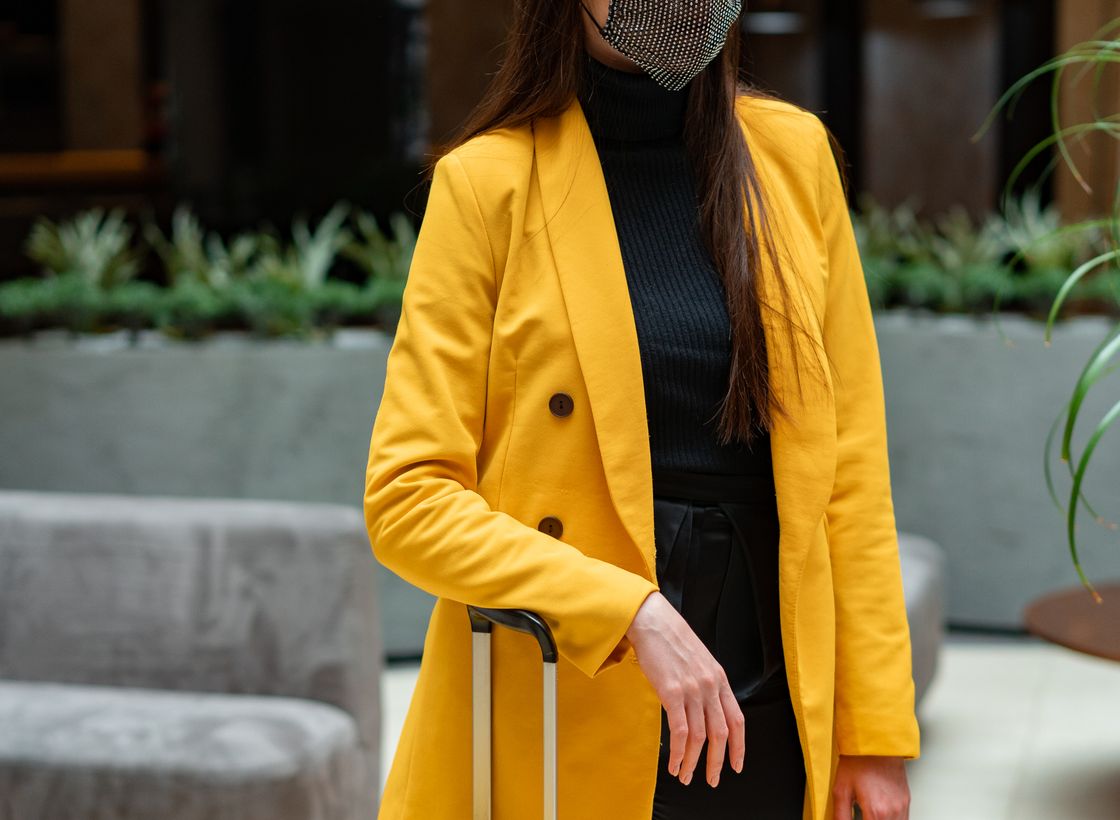
What to look for when buying a blazer: single-button closure is the most versatile. Peak lapels read more formal, notch lapels are more flexible. The length should hit at your hip bone. The fabric should have some structure — avoid anything too floppy or too stiff. A wool-polyester blend, for example, means it is warm enough for fall but not too hot for air-conditioned offices.
The best blazer our editors have found under $100 is from Mango. It hits all the marks: structured shoulders, single button, hip-length, and it comes in regular and petite sizing. If you want to spend more, the Reiss blazers are exceptional quality and often go on sale for around $150.
Our biggest piece of advice: stop thinking of a blazer as a work thing. It is just a jacket, and it can do a lot more than your closet currently asks it to do.

What Makes One Blazer Work in Five Outfits?
The most repeatable blazer is not the trendiest one. It is usually slightly relaxed, long enough to cover the hip area, and structured enough to sharpen simple pieces. Black, navy, camel, grey, ivory, and chocolate are the easiest colors to repeat. A blazer that is too tight can only work with thin tops. A blazer that is too oversized may feel sloppy with dresses.
Fabric matters too. A wool blend or structured twill works for office and dinner outfits. Linen blends feel better in summer but wrinkle more. Stretch blends can be comfortable, though they sometimes look less refined. If you want one blazer to do the most work, choose a medium-weight fabric that can sit over tees, knit tops, and dresses.
Five Reliable Outfit Formulas
For work, wear the blazer with straight trousers, a clean tee or shell, and loafers. For weekends, pair it with jeans, a tank, and white sneakers. For dinner, layer it over a slip dress with a small shoulder bag. For travel, wear it with relaxed pants and a soft tee so it acts like a polished jacket. For casual Fridays, style it with dark denim, ballet flats, and simple jewelry.
Fit Checks Before Buying
Check shoulder seam placement, sleeve length, button stance, and how the blazer closes over your usual top. You do not need to button it every time, but it should not pull dramatically across the chest. If you are petite, watch the hem length. If you are tall, check sleeve length and where the waist shaping lands.
The best blazer is the one that makes simple outfits easier. If it only works with one look, it is not a capsule piece yet.
Common Mistakes
The biggest blazer mistake is buying a piece that only works open. It does not need to button perfectly over every outfit, but it should sit cleanly through the shoulder and chest. If it pulls, twists, or collapses when you move, it will be hard to repeat.
Another mistake is picking a fabric that does not match your climate. Heavy wool can look beautiful but feel useless in warm offices. Thin linen can be breathable but may not look sharp enough for formal work settings.
Buying Priority
If you only buy one blazer, choose fit first, color second, and trend details last. Strong shoulders, clean sleeves, and a useful neutral color will do more for your wardrobe than unusual buttons or a very seasonal cut.
Fabric, Length, and Proportion Guide
The blazer that works hardest is usually not the most dramatic one. It is the blazer with enough structure to sharpen simple outfits and enough softness to avoid looking corporate in casual settings. Mid-weight wool blends, ponte, crepe, twill, and linen blends with lining are usually easier to restyle than very thin polyester or stiff suiting fabric. For year-round wear, look for a fabric that holds the shoulder line without feeling heavy indoors.
Length changes the whole mood. A hip-length blazer is easier with dresses and petite proportions. A longer blazer feels more modern with straight jeans, trousers, and leggings, but it can overwhelm shorter frames if the shoulder is too broad. Cropped blazers work with high-waist trousers and skirts, but they are less versatile for office outfits and travel. If you want one blazer to cover five outfits, choose a length that hits around the high hip to mid hip and check the side view before buying.
Color should support the wardrobe you already own. Black is sharp but can feel harsh with soft summer palettes. Navy works beautifully with denim, ivory, gray, and camel. Camel looks expensive with white, black, and blue but may be less formal. Charcoal is underrated because it works with black trousers, light denim, and cream knits. If your closet already has mostly warm neutrals, camel or chocolate may beat black. If your closet is mostly cool-toned, navy or charcoal will usually stretch further.
The Five-Outfit Stress Test
Before keeping a blazer, style it with five pieces you already own: one dress, one pair of jeans, one work trouser, one skirt or wide-leg pant, and one casual base layer like a tee or tank. If the blazer only works with one bottom shape, it is not really a capsule piece. Check sleeve mobility, button placement, and whether the lapel lies flat over your usual tops. A blazer that needs constant sleeve rolling, tailoring, or special styling will not become the easy everyday layer you want.
Quick FAQ
How do I know if this is worth buying?
Use repeat-wear value as the main test. If the item or outfit idea works for at least three real situations in your life, it is more useful than something that only works for one photo.
What matters most: trend, price, or fit?
Fit comes first, then fabric, then price, then trend. A trendy piece that pulls, wrinkles badly, or needs constant adjusting will not feel polished for long.
How should I use this guide?
Use it as a shopping and styling checklist, then verify current product details, sizing, materials, and return policies before buying.
Editorial Note
OutfitNotes keeps this guide practical rather than trend-only. The recommendations focus on repeat-wear value, fit, fabric behavior, comfort, and whether the idea works in normal wardrobes. Before buying, compare the current retailer listing with your own climate, dress code, laundry habits, and return window.