Content type: Editorially Researched | Author: OutfitNotes Editorial Team | Published: September 8, 2026
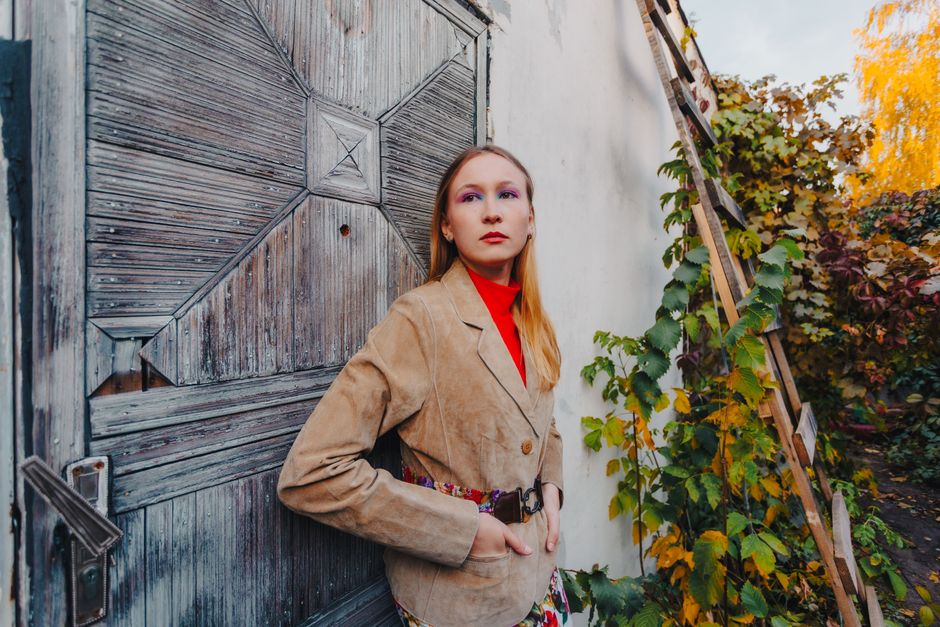
If your fall outfits look polished in the mirror but flat in photos, texturemaxxing is the styling shift worth learning. The term — coined on social media and now forecast by outlets like Who What Wear UK as a defining autumn/winter 2026 direction — describes building an outfit's interest from fabric, surface, and craft rather than from color, logos, or new purchases. After years of quiet luxury's smooth, low-contrast dressing, the A/W26 runways at Bottega Veneta, Prada, Chanel, and Dior returned to visible hand-work: tweed beside silk, embellished nylon, fringe, bouclé, and hand-applied surface detail. This guide breaks down what texturemaxxing actually is, why it is peaking this season, and seven wearable ways to mix textures in an outfit using clothes you likely already own — plus who should skip it, what mistakes make it look costumey, and whether the trend will outlast the season.
Key Takeaways
- The working formula for real life is the 2–3 texture rule: one anchor texture, one support texture, one smooth counterweight — not five tactile fabrics at once.
- Texture works hardest in a tight color palette. A monochrome or near-monochrome look in creams, browns, or grays lets suede, tweed, and ribbed knit read as intentional rather than loud.
- Texturemaxxing rewards your existing wardrobe: corduroy, cashmere, tweed, and leather are already in most closets — this is a styling trend, not a shopping trend.
- The most common failure mode is wearing every texture in one outfit and matching accessories to the same finish — that tips into costume territory.
- Texture mixing has a longer lifespan than print-maxxing because it rides craftsmanship and sensory appeal, not a specific motif cycle.
What Is the Trend?
Texturemaxxing is the practice of stacking contrasting fabric surfaces — suede with fine knit, tweed with silk, corduroy with merino, leather with lace — so an outfit stays interesting up close, across a room, and on camera. The drama comes from how light catches each material, not from how loud the color is. Some of the strongest texture-maxed looks are entirely monochrome: when color steps back, surface becomes the whole conversation.
It helps to think of a textile's effect in three layers, borrowed loosely from fabric-weight planning: base (the largest surface, usually smooth), feature (one tactile hero), and accent (a smaller contrast). A satin skirt, a bouclé jacket, and patent shoes occupy three distinct registers even in the same shade. That layering logic is what separates a rich outfit from a busy one.
This is not the first time fashion has leaned tactile — grosgrain trim on opera coats, Chanel tweed paired with silk blouses in the 1990s — but naming it, teaching it, and searching for it is new. Gen Z's style vocabulary thrives on precise, self-aware labels, and texturemaxxing landed the same way balletcore and quiet luxury did: a complex styling idea compressed into one searchable word.
Why Is It Trending Now?
Three currents collided for fall 2026.
First, the runways moved on from flat minimalism. Who What Wear UK's autumn/winter 2026 trend report names texture-maxxing among the season's key directions, with editors noting embellishment and surface craft across Bottega Veneta, Prada, and Emilia Wickstead — sequined denim, pearl-threaded military jackets, feather-trimmed pea coats. Lyst's curation manager Barbara Janeczek framed A/W26 as "less about the hot piece and more about hot styling" — unexpected layers, sheer fabrics under tailoring, sporty pieces with silk.
Second, fashion is in a counter-swing after years of quiet luxury. Smooth tonal dressing looked clean on Pinterest but read cold in real life; surface detail reintroduces visual warmth without requiring bold color.
Third, screens reward texture. Fringe moving in slow motion, bouclé catching window light, the glint of a satin pleat — tactile garments simply perform better in reels and photos than flat jersey does. As getting dressed has become partly a visual-documentation exercise, fabric that photographs well gained practical value.
Who Does It Work For?
It works especially well for:
- Polished minimalists — your neutral palette stays; only the surfaces change.
- Anyone bored of their wardrobe but wary of buying more — this is the rare trend built on remixing, not acquiring. Women who love tactile fabrics — cashmere, suede, tweed, corduroy — and want a rule for wearing them together.
- Workwear dressers — the 2–3 texture rule keeps texture mixing office-safe where print-maxxing would not.
- Petite and plus frames alike — because texture is scale-neutral, medium-weight textures flatter both without adding visual bulk the way stacked prints can.
Who should be careful:
- Anyone who dislikes visual attention. Even muted texture mixing draws the eye; if you dress to disappear, one texture per outfit is a better register.
- Very hot or humid climates. Suede, tweed, and chunky knits together are a fall/winter formula; in warm weather, scale back to one texture plus smooth cotton or linen.
- Strict business-formal offices. A suede jacket over a ribbed knit can read creative rather than corporate; save the full mix for casual Fridays.
How to Wear It in Real Life: 7 Formulas
1. Suede + Fine Knit + Smooth Leather
A suede jacket or skirt, a fine-gauge merino or cashmere knit, and smooth leather boots or a bag. The suede is the anchor texture, the knit softens it, the leather keeps the look grounded. Try camel suede, cream fine knit, and chocolate leather — a palette that also happens to be fall 2026's richest color story (see our guide to wearing chocolate brown).
2. Tweed + Silk
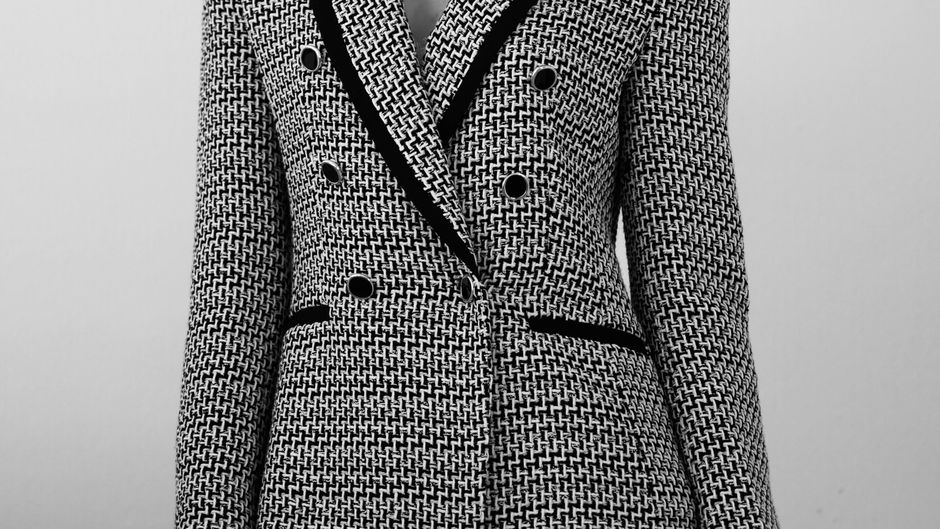
The most office-legible pairing. A tweed jacket over a silk or satin skirt (or silk blouse under it) creates the classic matte-sheen contrast — the same conversation Chanel sent down the fall 2026 runway when it gave tweed "proper company" alongside silk and chiffon. Keep both pieces in related neutrals so the sheen, not the color, does the work. Our modern tweed styling guide expands this formula into six outfits.
3. Corduroy + Merino
The easiest entry point, and the most casual. Wide-wale corduroy pants carry enough texture on their own; a fine merino crewneck keeps the top half smooth so the outfit reads structured, not schlumpy. Start with our corduroy pants styling formulas — then level up by swapping the merino for a ribbed version to add a second, quieter texture.
4. Bouclé + Tailored Trousers
A cropped bouclé jacket over sharp, smooth tailored trousers is the polished-casual sweet spot: nubby up top, sleek below. If full Chanel-style bouclé feels like too much, a collarless version in a muted tone reads modern.
5. Ribbed Knit + Satin Skirt
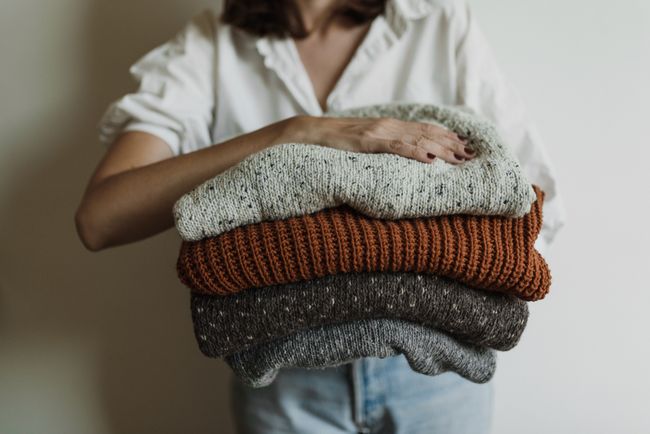
The cozy-meets-polished pairing that dominated street style. A chunky ribbed sweater tucked into a bias-cut satin skirt gives you depth, sheen, and movement in one outfit — no print, no logos. Stick to one family (oatmeal rib with champagne satin, gray rib with charcoal satin) so the finish contrast stays legible.
6. Faux Fur Accents + Structured Tailoring
One textured accent against a tailored base: a cropped faux fur vest, a fur collar, or a shearling-lined jacket over a sharp blazer and trousers. The structure keeps the fluff from tipping into costume. The edgiest variant on the same logic is leather (or faux) + lace or crochet — a leather jacket over a lace-trimmed dress, hard surface against delicate openwork. Femina's trend breakdown names "leather with lace" and "raffia with linen" among the season's core pairings. Keep the color story tight so the edge reads intentional.
7. All-One-Texture, Varied Weight
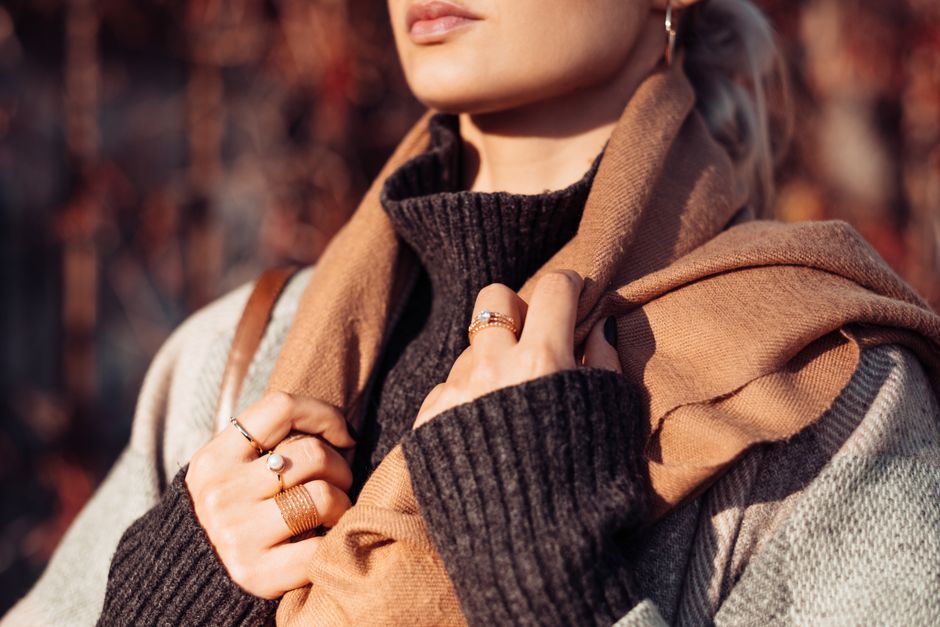
The stealth version: one fabric family, three weights. A fine cashmere crewneck, a ribbed cashmere scarf, and a smooth wool trouser — tonal, quiet, and rich. Our best cashmere sweaters guide covers which weights wear well together.
The 2–3 Texture Rule, Summarized
| Slot | Role | Examples |
|---|---|---|
| Anchor texture | The hero — one statement surface | Suede, bouclé, wide-wale corduroy, faux fur |
| Support texture | Quieter second surface | Fine rib knit, merino, tweed |
| Smooth counterweight | Rests the eye | Silk, satin, smooth leather, fine wool trousers |
One anchor, one support, one counterweight. Add more only when the palette is monochrome and you can see the outfit still reads as one idea.
What to Avoid
- Wearing every texture you own at once. Five tactile fabrics in one outfit is the definition of costumey. The runway versions are styled by professionals and photographed on models; real life needs the edited version.
- Matching accessories to the same finish. A tweed jacket with a tweed bag and tweed shoes stops being texture mixing and becomes a costume. Every texture-maxed outfit needs at least one smooth element.
- Letting color and texture compete. If you are mixing suede, knit, and leather, keep the palette to one family. Bright color plus heavy texture is two ideas fighting; one of them will lose — usually the wearer.
- Ignoring scale. Chunky textures read larger. If you are petite, one chunky anchor (a cropped bouclé jacket) beats a full-length chunky knit dress; if you want volume on top, balance with a sleek hemline.
- Forgetting upkeep. Suede and velvet are high-maintenance textures — check care labels before committing them to daily rotation. A crushed pile or water-marked suede reads worse than a plain fabric.
Affordable Ways to Try It
The cheapest texturemaxxing move is not a purchase: recombine what you already own — the suede jacket you save for special occasions, the ribbed knit you wear with jeans, the satin skirt from two holiday seasons ago.
If you are adding one thing, add one hero texture, not five:
- A wide-wale corduroy pant or skirt — the biggest texture-per-dollar payoff and easy to find under $100 across mainstream retailers.
- A fine ribbed merino crewneck — inexpensive at every tier and instantly adds a support texture to smooth trousers or skirts.
- A suede or faux-suede accent — skirt, bag, or shoe — rather than a full jacket, if budget or climate is a constraint.
- Secondhand tweed and bouclé jackets. Texture ages well, and vintage bouclé often has better hand-feel than fast-fashion versions at triple the price.
What you do not need: sequins, feathers, or embellished runway pieces. Those are the couture expression of the trend. The wearable version lives in corduroy, rib knit, suede, tweed, and satin — fabrics already stocked at every price point.
Is It Likely to Last?
Longer than most named trends. Three reasons:
- It is a styling skill, not a product. Print-maxxing and motif cycles (butterflies, cherries) date quickly because the object itself is the trend. Texture mixing transfers across seasons and wardrobes — the skill keeps working after the hashtag fades.
- It rides the craftsmanship shift. Who What Wear UK's A/W26 reporting frames the season as a celebration of atelier craft — and appreciation for how things are made, versus how they are branded, is a durable consumer direction, not a one-season aesthetic.
- Screens keep rewarding it. As long as outfits are photographed, fabrics that catch light and move on video hold an advantage over flat jersey.
Expect the word to fade and the practice to stay: by next fall, "texturemaxxing" will likely just be called good styling.
Frequently Asked Questions
What does texturemaxxing mean?
Texturemaxxing is a styling approach, popularized for fall 2026, where an outfit's visual interest comes from mixing contrasting fabric surfaces — suede with fine knit, tweed with silk, corduroy with merino — rather than from color, prints, or logos. Most wearable versions combine two to three textures within one color family.
How many textures should I mix in one outfit?
Two to three is the wearable ceiling for most real-life settings: one anchor texture (suede, bouclé, corduroy), one quieter support texture (fine rib knit, merino), and one smooth counterweight (silk, satin, smooth leather). More than three textures only works when the palette is tightly monochrome and every piece is well-tailored.
Is texturemaxxing just maximalism?
No — and this distinction matters for a polished wardrobe. Maximalism stacks color, print, and volume. Texturemaxxing stacks surfaces and can be executed in a single neutral color, which is why it suits women who like minimal palettes but not flat ones.
Can I wear texture mixing to work?
Yes, with the right pairings. Tweed with silk, fine merino with smooth wool trousers, and a bouclé jacket over tailored trousers all read professional. Save leather-with-lace and faux fur accents for casual settings, and in strict business-formal offices, hold texture to one statement piece per outfit.
How do I mix textures without looking costumey?
Keep to the 2–3 texture rule, stay in one color family, always include one smooth counterweight, and never match your accessories to your outfit's texture. If the outfit stops reading as one idea, remove a texture rather than adding a color.
Sources and Research Notes
This article was produced via editorial research; fabrics, styling rules, and trend claims reflect publicly available sources as of September 2026.
- Who What Wear UK, "17 Key Trends to Know For Autumn/Winter 2026" (August 30, 2026) — texture-maxxing named a key A/W26 direction; embellishment at Bottega Veneta, Prada, Emilia Wickstead; Lyst curation commentary on "hot styling" over hot pieces.
- Femina, "Forget More Clothes — Texturemaxxing Is This Season's Real Style Statement" (2026) — definition, monochrome texture approach, core pairings (tweed/satin, leather/lace, raffia/linen), craft-and-depth framing.
- OutfitNotes internal data (GA4, 28 days ending September 5, 2026) — fall fabric content (corduroy, cashmere, tweed clusters) among the site's strongest engagement pages this season.
Related reading: Fall 2026 Fashion Trends: 7 Looks Worth Wearing · How to Wear Corduroy Pants · Best Cashmere Sweaters for Women