
# How to Pack for 10 Days in Europe With Just a Carry-On
Key Takeaways
- Build around repeatable outfit formulas instead of packing one complete outfit per day.
- Limit shoes first, because shoes take the most space and force the rest of the wardrobe.
- Choose fabrics by drying speed, wrinkle behavior, and layering potential.
Many travelers assume it is impossible to pack for 10 days in Europe with just a carry-on. over time and proven packing strategies, it is very doable. The secret is not about packing less — it is about packing smarter.

Here is the strategy our editors recommend.
First, pick a color palette. Everything in your suitcase needs to go with everything else. A reliable palette is navy, white, grey, and one accent color — rust orange. Every top matches every bottom, and the accent color shows up in accessories. This one decision eliminates the "I have nothing to wear" problem entirely because literally any combination worked.
The packing list for bottoms: one pair of dark wash jeans (Levi's 721), one pair of black ankle pants that could pass for dressy (Old Navy Pixie pants, $45), one pair of black shorts for hot days, and one midi skirt in navy. Four bottoms for 10 days, with each one worn at least twice.
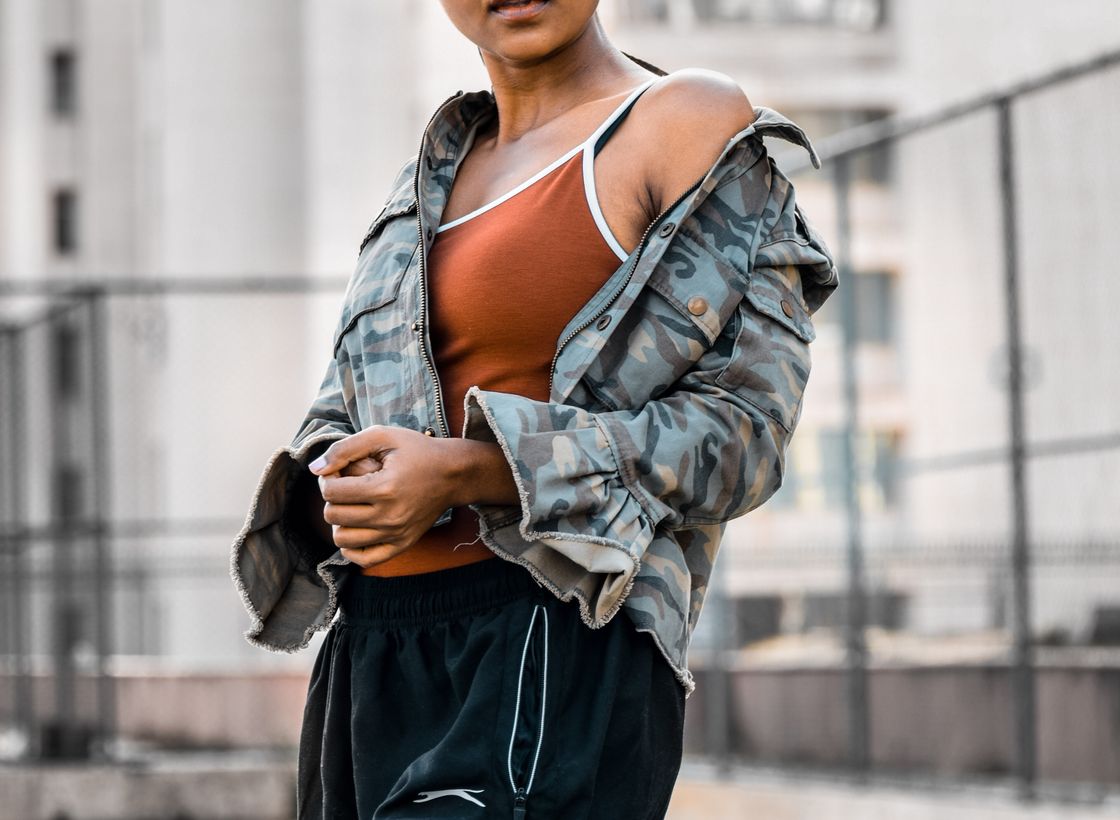
Tops: five total. Two basic tees in white and grey, one striped boatneck top (very French, very versatile), one nice blouse in the rust accent color for dinners, and one lightweight sweater for cooler evenings. Our edit also suggests bringing a black blazer, which doubles as a jacket on chilly mornings and dresses up any outfit for nicer restaurants.
Shoes are where most people overpack. Our recommendation: exactly three pairs. White Veja sneakers for walking days, black ankle boots for evenings, and Birkenstocks for the hotel and beach days. Wear the sneakers on the plane to save suitcase space. Three pairs cover every situation from cobblestone streets to a Michelin-starred restaurant.
The outerwear situation: one trench coat. A beige trench goes with everything, keeps you dry in unexpected rain, and looks polished even over a t-shirt. The Uniqlo option at around $80 is a long-term favorite among travelers.

Toiletries are where you save the most space. Our edit suggests switching to solid versions of everything: shampoo bar, solid deodorant, powder toothpaste tablets. No liquids means no quart-size bag, no security line hassle, and no spills in your suitcase. This alone can free up half a toiletry bag.
The laundry strategy is key. Wash tops and underwear in the hotel sink every three days using travel-size detergent sheets. They dry overnight hanging in the bathroom. For a 10-day trip, this means you only need four days worth of undergarments instead of ten.
What to leave behind: a hair dryer (every hotel has one), more than one pair of heels (zero, actually — ankle boots work everywhere), a different outfit for every day (repeat outfits are fine, nobody remembers), and a full-size anything.

The bag itself matters. Our editors recommend the Away Carry-On, which has a compression panel that lets you fit about 30 percent more than a standard carry-on. At $295 it is an investment, but long-term customer feedback indicates it survives many flights without a scratch.
Packing light is not about sacrifice. It is about choosing pieces that earn their spot in your suitcase. If you cannot think of at least three ways to wear something, leave it at home.
The Carry-On Packing Formula
A practical 10-day Europe carry-on works best when every item has at least two outfits. Start with three bottoms, five tops, one dress or jumpsuit, two light layers, two pairs of shoes, and sleepwear. Then add underwear, socks, toiletries, and one small accessory set. This is enough for warm-weather city travel if you plan laundry once.
Use a tight color palette. Black, navy, white, beige, denim, and one accent color make mixing easier. If every top works with every bottom, you get more outfits without packing more pieces. Avoid packing a “maybe” item that only works for one dinner or one photo.
Shoe Strategy
Shoes take the most room, so limit them. Wear the bulkiest pair on the plane. Pack one lighter pair for dinners or warmer days. For many Europe trips, the best combination is clean sneakers plus comfortable flat sandals or loafers. If you need dressier shoes, choose a low block heel only if you know the itinerary supports it.
Laundry and Fabric Notes
A small laundry plan makes carry-on packing realistic. Quick-dry tees, underwear, and socks can be washed in a hotel sink. Linen looks summery but wrinkles. Cotton is breathable but slower to dry. Lightweight knits can be useful if they do not stretch out. Avoid packing too many delicate fabrics that need special care.
What to Leave Out
Skip bulky heels, duplicate jeans, full-size toiletries, and outfit pieces that require a separate bra or complicated layer. Also skip heavy “just in case” items unless the weather truly calls for them. A carry-on is easier when the plan is specific, not optimistic.
Common Packing Mistakes
The most common mistake is packing full outfits instead of mixable pieces. Ten separate outfits create too much bulk. A carry-on works better when each top pairs with at least two bottoms and each layer works with the whole palette.
Another mistake is bringing too many shoes. Shoes are heavy, awkward, and hard to compress. If a shoe cannot handle at least two planned outfits, it probably does not deserve space. The same rule applies to jackets and bags.
Final Check Before You Zip the Bag
Lay everything out and remove the weakest 20 percent. If you are unsure about an item at home, you probably will not reach for it on the trip. Keep the pieces that solve real itinerary needs: walking, dinners, weather, laundry, and modesty for churches or nicer restaurants.
10-Day Outfit Math
The easiest way to keep a carry-on under control is to stop planning ten separate outfits. Plan three outfit formulas and repeat them with small changes. A practical 10-day wardrobe can start with three tops, two bottoms, one dress or jumpsuit, one light layer, one polished jacket, two shoes, sleepwear, underwear, and accessories. That sounds limited, but it creates more combinations than most travelers actually wear.
Formula one is the city-walking outfit: breathable top, comfortable bottom, flat shoe, and a light layer that can handle museums, cafes, and train stations. Formula two is the dinner outfit: a simple dress or elevated top with the cleaner shoe and one piece of jewelry. Formula three is the weather-adjustment outfit: the same base pieces with the jacket, scarf, or cardigan added. If every packed item works in at least two formulas, the suitcase stays useful instead of crowded.
Color discipline matters. Pick one dark neutral, one light neutral, one accent color, and one print at most. A black, ivory, tan, and blue palette is easier to repeat than a suitcase full of single-use statement pieces. Accessories can shift the mood, but they should not require extra shoes or a special bra.
Laundry Timing and Rewear Plan
For a 10-day trip, plan one real laundry reset around day five or six. Quick hand-washing works best for underwear, socks, thin tees, and certain synthetic or merino layers. It is less reliable for denim, thick cotton, padded bras, lined dresses, and anything that needs perfect steaming. If a fabric takes more than one night to dry in a hotel room, do not rely on washing it mid-trip.
Pack a small laundry bag, one travel-size detergent sheet, and a wrinkle-release strategy. The goal is not to look freshly dry-cleaned every day; it is to stay comfortable, clean, and pulled together without overpacking. Pieces that can air out overnight and be restyled the next day earn their place faster than dramatic pieces that only work once.
Quick FAQ
How do I know if this is worth buying?
Use repeat-wear value as the main test. If the item or outfit idea works for at least three real situations in your life, it is more useful than something that only works for one photo.
What matters most: trend, price, or fit?
Fit comes first, then fabric, then price, then trend. A trendy piece that pulls, wrinkles badly, or needs constant adjusting will not feel polished for long.
How should I use this guide?
Use it as a shopping and styling checklist, then verify current product details, sizing, materials, and return policies before buying.
Editorial Note
OutfitNotes keeps this guide practical rather than trend-only. The recommendations focus on repeat-wear value, fit, fabric behavior, comfort, and whether the idea works in normal wardrobes. Before buying, compare the current retailer listing with your own climate, dress code, laundry habits, and return window.
Final Fit Check
If the outfit idea only works in one narrow situation, keep adjusting. The strongest wardrobe choices are comfortable, repeatable, and easy to restyle with pieces you already own.
This makes the final suitcase lighter, cleaner, and easier to manage on trains, stairs, and hotel changes.